No products in the cart.
Blogs
A Lighter Slice: How to Pick a Low-Calorie Pie You’ll Finish

26
Oct
Oct
Picture this: you want dessert after dinner, but you do not want to feel stuffed or derailed. Good news: a lighter slice can still taste like a treat. This guide is for anyone who wants low calorie desserts that actually earn their spot on the plate, not sad, tiny portions that leave you craving more. We will walk through why a lighter pie can still be real dessert, then break down the four levers that lower a slice’s calories. You will see how fillings like bean, squash, and cream compare, why crust fat and thickness matter, and how to keep sweetness from piling up. We will also cover how to choose a low-calorie pie that still tastes like dessert, plus a five-minute buyer checklist for quick and easy healthy desserts. Along the way, you will learn how to keep a lighter pie tasting like dessert, where Bean Pie America fits, and answers to common shopper questions. By the end, you will know exactly what to look for and feel ready to decide your own lighter slice.
Why a Lighter Pie Can Still Be Real Dessert
A pie that skips calories by shrinking the slice usually backfires. A thin wedge of heavy cream pie leaves you hungry and reaching for a second piece.
This guide takes the opposite route: change the filling and the crust fat, then eat a normal slice. If you are browsing low calorie desserts, you want the first slice to satisfy you. Think of this as a dessert decision, not a diet chore.
Bean and squash based fillings deliver sweetness and body at a lower calorie cost than cream fillings. Their base is starchy and fiber rich instead of mostly dairy fat and sugar, the same reason unexpected pie filling combinations can taste so substantial.
Four levers decide how light a pie really is: the filling base, the crust fat, the sweetener source, and the slice math. Pull each one before you buy.
Transparency note: per slice calorie figures should come from USDA FoodData Central with the data type and release date cited. Taste judgments are author recommendations, since no source tested whether these swaps preserve flavor.
The Four Levers That Actually Lower a Slice’s Calories
Lever 1: The filling base. Cream and custard fillings lean on dairy fat, egg yolks, and sugar for body. Bean, squash, and sweet potato fillings get body from the ingredient itself, a more health conscious choice that moves calories and satisfaction the most.
Lever 2: Crust fat and amount. Butter, shortening, lard, and oil carry different fat totals, and a double crust or deep-dish shell multiplies whichever you chose. Crust is often a larger share of a slice than shoppers expect.
Lever 3: The sweetener. Sugar, honey, maple, condensed milk, and dried fruit purees each shift calories and flavor. In bean and squash pies, spices carry much of the sweetness, so sugar can drop without a flat result.
Lever 4: Slice math. Pan depth and intended slice count define a serving under federal labeling rules. A deep-dish cut into eight is a different dessert than a shallow tart cut into twelve.
Levers one through three beat shrinking the slice: a lighter filling and thinner crust let you eat a normal piece, which is what makes the swap stick. Compare calories per serving, not per pie.
Filling First: Bean, Squash, and Cream Compared
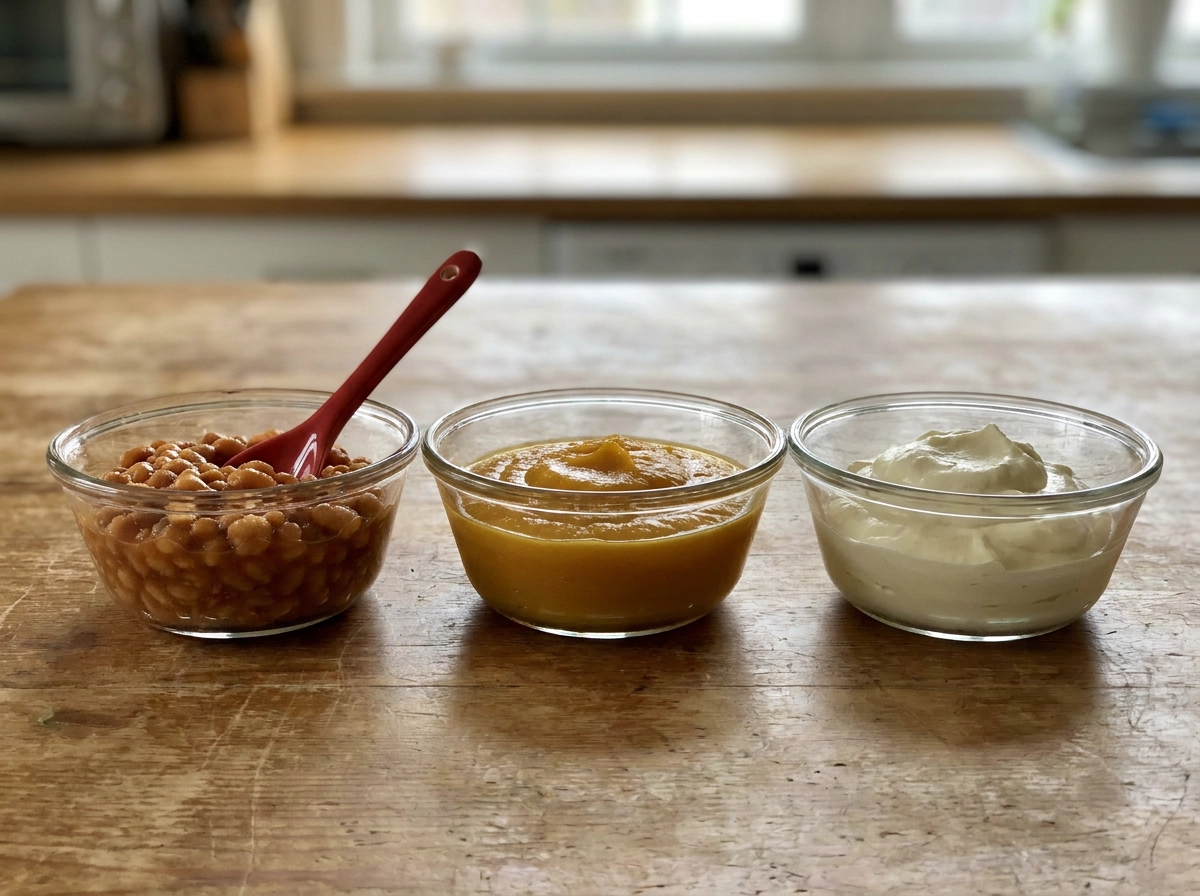
Because the filling lever moves the most, compare bases before crusts.
| Filling | Body from | Sweetness from | Calorie cost (verify) | Taste (author’s judgment) |
|---|---|---|---|---|
| Navy bean | Bean starch | Sugar, spice | Lowest | Hearty, dense |
| Pumpkin/squash | Cooked squash | Sugar, spice | Lower | Light, spiced |
| Sweet potato | Cooked tuber | Natural sugars | Lower | Sweet, custardy |
| Custard | Eggs, milk | Sugar | Higher | Silky, rich |
| Cream | Dairy fat | Sugar | Highest | Very rich |
USDA’s April 2026 release (Version 15.0) added canned baked beans, vegetarian baked beans, and refried pinto beans. Navy bean values still need pulling from the food search tool. Cite the data type, since Foundation and Branded Foods are not interchangeable.
Pumpkin pie is a documented standard recipe from a 2023 CACFP Meal Pattern Minute, but that source carries no nutrition data. Verify pumpkin per serving values before quoting.
Sweetened condensed milk joined the database in April 2026, anchoring custard and cream comparisons. USDA’s FAQ flags a change to energy display, so read that answer before quoting any calorie figure.
Bean pie, a recognized American recipe documented by Southern Living, offers no nutrition data here. See Ingredients and Health Benefits for the heritage.
That bean and squash fillings cost fewer calories than cream is this guide’s thesis, not a blanket fact. Match per serving USDA values first.
Crust, Fat, and Thickness: The Second Big Decision
Fat type matters less than fat quantity. Butter, shortening, lard, and oil all build a flaky crust, and per slice they differ less than you would expect once you count how much dough each carries.
Crumb crusts flip the script. Graham and cookie crumbs add their own sugar and fat, but they press thin, so a slice can still land under a thick rolled pastry shell. Thickness decides a lot: a shallow tart pan, a single crust, and a modestly rolled edge all use less dough than a deep dish double crust, and you can see the difference before you buy.
Practical moves: choose a single or crumb crust, ask a bakery to go lighter on the top crust, or buy a tart and cut twelve slices instead of eight. See what makes a bean pie crust unique for the shell details.
One honest note: no cited source tested whether a crust fat swap preserves taste. Treat this as an author recommendation, and taste a standard slice beside a lighter one before you commit.
Sweetness Without the Sugar Pileup
Your crust is settled, so now the sweetener. Keep your bean or squash base and still control the calorie cost by choosing how much sugar goes in and in what form.
Spices do the heavy lifting. Cinnamon, nutmeg, allspice, ginger, and a pinch of salt make a bean or squash filling read as sweet, so a modest amount of sugar still tastes like a full dessert.
On the label, compare added sugar grams per serving, not per package. Dried fruit purees, honey, maple syrup, and condensed milk all shift that number. USDA’s April 2026 release added dried plums and raisins entries, which helps you compare fruit-sweetened fillings.
Be cautious with sugar-free claims. Sugar alcohols and intense sweeteners change texture, browning, and digestion; for most shoppers, a modestly sweetened real filling satisfies more.
Test before you buy: spoon two fillings at the same sweetness level onto plain yogurt and see which tastes like dessert to you. Curious how these fillings play out across a full menu? Browse Variety of Flavor Options.
How to Choose a Low-Calorie Pie That Still Tastes Like Dessert
- Identify the filling base first. If the first ingredient is cream, milk, or cream cheese, that is the heaviest tier. Beans, pumpkin, squash, or sweet potato are the lighter tier.
- Check the crust fat and count the crusts. Look for single crust, crumb crust, or tart shell, and note the fat source. A thin shell of any fat usually beats a thick shell of a better-sounding one.
- Compare added sugar per serving. Two pies with the same filling base can differ widely, which often separates a weekly dessert from a holiday one.
- Do the slice math. Confirm how many slices the pie serves and whether the pan is standard or deep dish, then multiply per-serving calories by the slices you actually eat.
- Verify the calorie number against USDA FoodData Central, and note its data type and release date. Foundation Foods updates twice a year, in April and October, Branded Foods monthly, Survey Foods every two years. A figure without a date is not one you can trust. For label-reading help, see Tips For Finding Fresh Pies That Meet Dietary Requirements.
- Set a flavor floor before you buy. If a swap does not taste like dessert to you, it is not a good buy, no matter what the label saves.
The Five-Minute Buyer Checklist for Quick and Easy Healthy Desserts
Now that you know the six steps, here is the same logic compressed into a five-minute scan you can run in the store aisle or on a delivery page.
- Filling base: Beans, squash, or sweet potato first. Cream or custard last. This is where the calorie difference starts.
- Crust: A single crust, crumb crust, or thin tart shell beats a double crust or deep dish pastry.
- Sugar: Lower added sugar per serving plus real cinnamon, nutmeg, or ginger, so the pie tastes finished rather than plain.
- Slice math: Multiply per-serving calories by the slices you actually eat, not the number the package assumes.
- Label transparency: The brand should state the filling base, crust fat, and slice count. FoodData Central lists 433,916 branded entries against just 394 Foundation Foods, so most packaged pies sit in the manufacturer-submitted branded tier, updated monthly.
- Convenience: A delivered or freezer-ready pie makes a lighter dessert realistic on a weeknight, the practical side of quick and easy healthy desserts. Browse gluten-free dessert delivery options while you compare flavors.
Five minutes, six checks, one slice that still tastes like dessert.
How to Keep a Lighter Pie Tasting Like Dessert
You’ve picked your pie. Now make the slice earn its keep.
Warm it up. Fifteen to 20 seconds in the microwave or a few minutes in a low oven releases spice aroma and softens a bean or squash filling, so a lower sugar slice reads richer than it is.
Add contrast, not volume. A small spoon of plain Greek yogurt or light whipped topping gives the cool, creamy finish people miss from heavy cream, without the heavy scoop.
Set the scene. One slice on a small plate, a fork, black coffee or unsweetened tea. The ritual satisfies more than a bigger piece does.
Keep the flavor builders. Cinnamon, nutmeg, salt, and vanilla cost almost nothing calorie-wise, and skipping them is a common reason a lighter slice tastes flat or even unpleasantly bitter.
Baking at home? Keep sugar at a level you enjoy, then trim crust fat and pan depth instead, an author tip rather than a tested finding. Taste a standard slice and a lighter one side by side.
Where Bean Pie America Fits a Lighter Slice
If the taste tips above gave you a shortlist, Bean Pie America (beanpieamerica.com) is where that list can end. The brand says its bean pies are made primarily from navy beans with sugar and spices, which is the filling first approach this guide keeps pointing to: a lighter base that still eats like a classic dessert.
The company also describes pies that swap cream for plant based ingredients, a change it links to lower cholesterol and saturated fats. That is the brand’s framing, so confirm per serving values on the label before you buy. Bean Pie America also describes its roots in the African American Muslim community, making the bean pie a heritage staple long before it became a nutrition choice.
The menu reaches beyond bean pie too. Sweet potato pie, apple crumb pie, and other comforting classics let you pick a lighter filling base without leaving comfort food behind.
Delivery is the practical piece. Ordering removes the baking project, which is what turns a lighter dessert into a realistic weeknight decision.
Questions Shoppers Ask About Lighter Pies
Still weighing a lighter pie? Here are the questions shoppers ask most.
Are bean pies lower in calories than cream pies? It depends on the recipe and the slice. Compare the two products you are actually considering, and anchor both to USDA FoodData Central per-serving values instead of a blanket claim.
Does a lighter pie still taste sweet? Yes, when sweetness comes from the filling base plus spice rather than a thick layer of added sugar. Bean and squash fillings bring their own body.
Is a smaller slice of a rich pie better? Usually not. A thin wedge of a heavy pie leaves people unsatisfied and reaching for more, which is why this guide swaps ingredients instead of shrinking portions.
Why do online calorie numbers disagree? Branded Foods entries update monthly, Foundation Foods twice a year, and USDA’s FAQ notes an energy display change. Pair every number with its data type and release date.
Do I need a scale or app? No. The label, filling base, and slice count cover a beginner decision. Add precision later if you want it.
Your Lighter Slice, Decided
Four decisions carry the weight: filling base first, crust fat and thickness second, sweetener third, slice math fourth. They do more than portion guilt ever will.
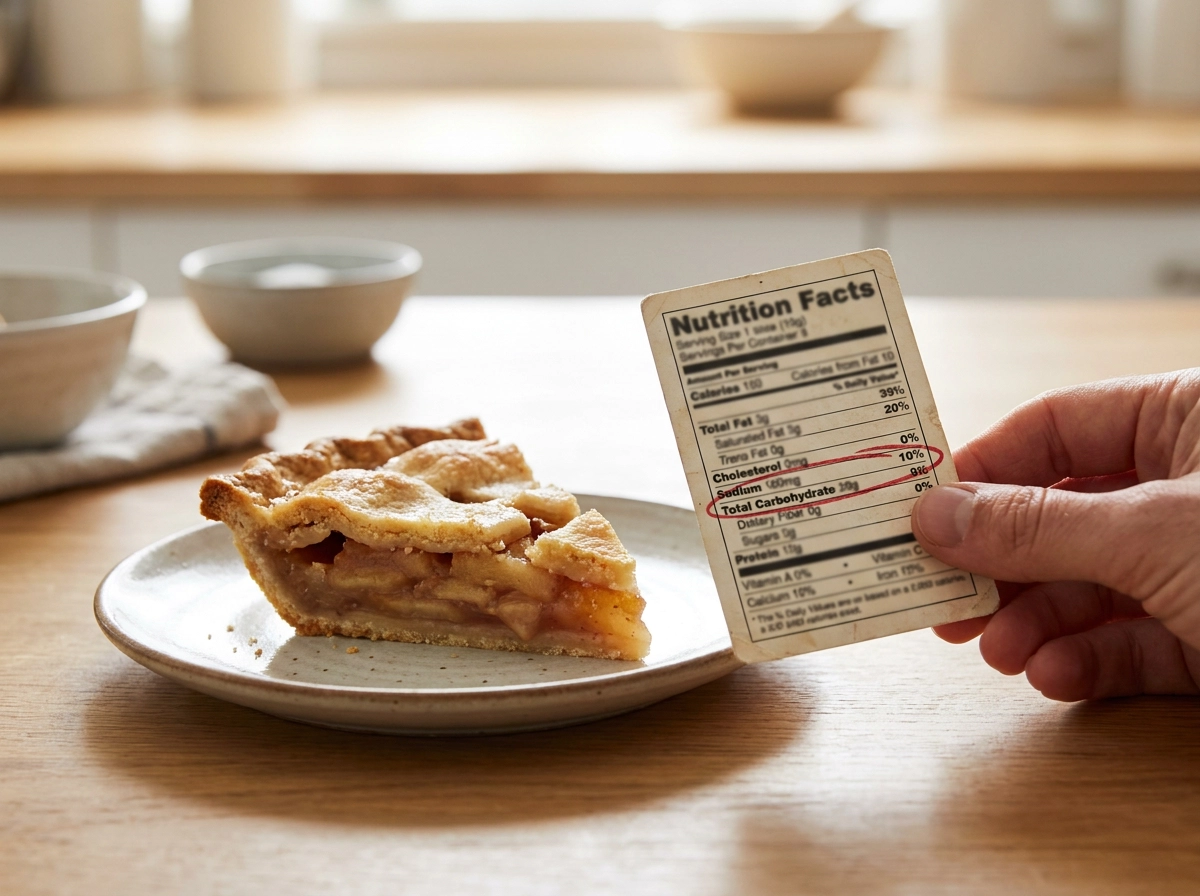
Take it to the label. Compare two pies on calories per serving and added sugar per serving, then confirm the number against USDA FoodData Central, noting its data type and release date. A number without a date is a guess.
Then run the test that matters: buy one lighter pie and one you already love, taste both in the same sitting, and keep the swap that tastes like dessert to you. A lighter dessert only works if you finish the slice.
Want a bean based pie with plant based cream options delivered to your door? Start with Bean Pie America, and read the label before your first order.
Conclusion
Choosing a lighter pie is not about shrinking a rich slice. It is about making four smarter decisions: start with the filling base, then compare crust fat and thickness, choose sweetness without a sugar pileup, and finish with honest slice math. Take those choices to the label, check calories and added sugar per serving, and confirm numbers through USDA FoodData Central with the data type and release date. Then run the only test that matters: taste one lighter pie beside a favorite in the same sitting. Keep the swap that feels like real dessert and leaves you satisfied. Ready to begin? Start with Bean Pie America, read the label before your first order, and let a lighter slice earn its place at your table.
