No products in the cart.
Blogs
What Makes a Pie Crust Vegan? Reading Dough and Fat

10
Oct
Oct
You can spot a vegan filling from a mile away, but the crust is where the truth gets slippery. Butter, lard, and egg wash love to hide in that golden, flaky layer. So if you are shopping for a vegan pie crust, or baking one for someone who avoids animal products, the crust is the part you have to read closely. A pie is only vegan if its dough uses plant-based fat, skips the egg wash, and contains no dairy anywhere in the mix. In this tutorial, you will learn why vegan pie claims often fall apart at the crust and how to check three things: the fat, the egg wash, and the dairy. We will also cover why a clean label does not rule out lard, what vegan pie dough labels must declare, what they still will not tell you, and how to use a buyer’s checklist before you order. By the end, you will know how to verify the crust instead of trusting the label, then enjoy the pie.
Why the Crust Is Where Vegan Pie Claims Fall Apart
Your pie’s filling can be 100% plant-based and the pie can still fail. Butter, lard, and egg most often enter through the dough, not the filling. Ask only about the filling and you’ve left the highest-risk ingredient unverified. So a vegan pie crust, vegan pie dough, or vegan pie shell deserves its own question before you order, especially when you’re comparing vegan pies to traditional favorites.
Here’s the legal backdrop. FALCPA, effective January 1, 2006, requires major allergens to be declared by common name, and that requirement extends to products packaged by retail and foodservice establishments and to cottage food operations. The stakes are real: food allergies affect 32 million Americans and are reportedly increasing. Milk is the allergen most frequently involved in major food allergen recalls, and bakery products are the most common category.
To be clear, this is a reading and verifying guide, not a recipe. You’ll get three practical checks for a vegan pie crust, the hidden ingredient names that signal milk and egg, and a buyer’s checklist to run before you order from Bean Pie America or anywhere else.
What Makes a Vegan Pie Crust? Three Checks That Answer It
No regulatory source defines “vegan” for pie crust, so treat these as three practical buyer tests based on how crusts are actually made. They are working checks, not a legal standard.
1. Plant-based fat in the dough. Plant fats include solid vegetable shortening, coconut oil, palm oil, and liquid oils. Animal fats include butter, lard, tallow, and schmaltz.
2. No egg wash on the surface. An egg wash is a beaten egg or egg white brushed onto the crust before baking for shine and browning. It is a finishing step, so sellers often describe the filling and never mention the surface at all.
3. No dairy anywhere in the dough. Milk, cream, butter, whey, casein, and lactose all count, whether mixed into the dough or brushed on top.
Vegan pie crusts, vegan pie dough, and vegan pie shells describe the same object, and all three have to pass the same three checks. The vocabulary changes. The test does not. Curious how a bean pie crust handles this? See Bean Pie Crust: What Makes It Unique?.
Check One: The Fat Has to Be Plant-Based
Fat is the first check because it decides whether the dough is plant-based at all. Traditional American pie crust is built on butter or lard, and both are animal derived. That single ingredient is why a pie with a fruit or bean filling can still fail as vegan. Crusts can instead use vegetable shortening, coconut oil, palm oil, vegan butter sticks, or liquid oils, and each can make a flaky, workable dough. Shortening is the tricky word. In conversation, ask whether it means vegetable shortening or an animal fat, and request the brand or exact type if the answer is vague. For shoppers choosing plant-based pies to cut cholesterol and saturated fat, keep two questions separate: coconut and palm oil are vegan but still high in saturated fat (Saturated Fats), so vegan does not automatically mean low in saturated fat. If you are browsing Popular Pie Options That Align With Dietary Restrictions, confirm the fat before you order. The same applies when comparing Variety of Flavor Options. Ask what fat is in the crust. If the answer is butter, lard, tallow, or does not say, the crust is not verified vegan.
Check Two: No Egg Wash on the Crust
Even a plant-based dough can fail this check, because egg wash sits on the outside of the crust. A beaten egg or egg white brushed on before baking leaves no trace in the dough itself, only on the surface.
On labels, egg hides behind other names. The Washington State Department of Agriculture lists albumin, dried egg solids, globulin, and powdered eggs as egg-containing ingredients.
Egg wash shows up most on lattice tops, crimped edges, and glazed fruit pies, and on any crust sold as glossy, shiny, or golden. A soggy crust is a separate issue, but shine and color are finish clues worth noticing.
So ask one precise question: “Is there an egg wash on the crust?” That works better than “is it vegan?” because it forces a specific yes or no about the surface, not a vague claim about the whole pie.
A vegan pie shell claim has to cover the finish, not just the ingredients mixed into the dough. Next, the dairy question.
Check Three: No Dairy Anywhere in the Dough
Dairy is the third place a vegan pie crust can quietly fail. Under FALCPA, milk is a major allergen and must be declared by its common name: milk. Not “dairy,” which is a category word rather than the allergen name the WSDA guide requires.
Watch for milk hiding under ingredient names: cream, butter, whey, casein, lactose, and cheese. For beginners, casein and whey are milk proteins and lactose is milk sugar, so any of them signals dairy even when the word milk never appears on the package.
The finish counts too. Brushing a crust with milk or cream for browning adds dairy even when the dough itself is plant-based. Ask about the surface, not just the ingredients.
One caution when comparing labels: “dairy-free” and “nondairy” are marketing phrases. The declared allergen word milk and the ingredient list are the parts you can actually check.
The Fat Problem: Why a Clean Label Still Does Not Rule Out Lard
Here is the gap that catches careful shoppers. Allergen labeling covers milk and egg, the two animal ingredients most likely to turn up in a pie crust. It does not cover lard, tallow, or other animal fats, because those are not major allergens. No source confirms they must be declared as allergens at all.
So a crust label can be completely accurate and still leave you unable to tell whether the fat came from a plant or an animal. The absence of milk and egg proves nothing about the shortening.
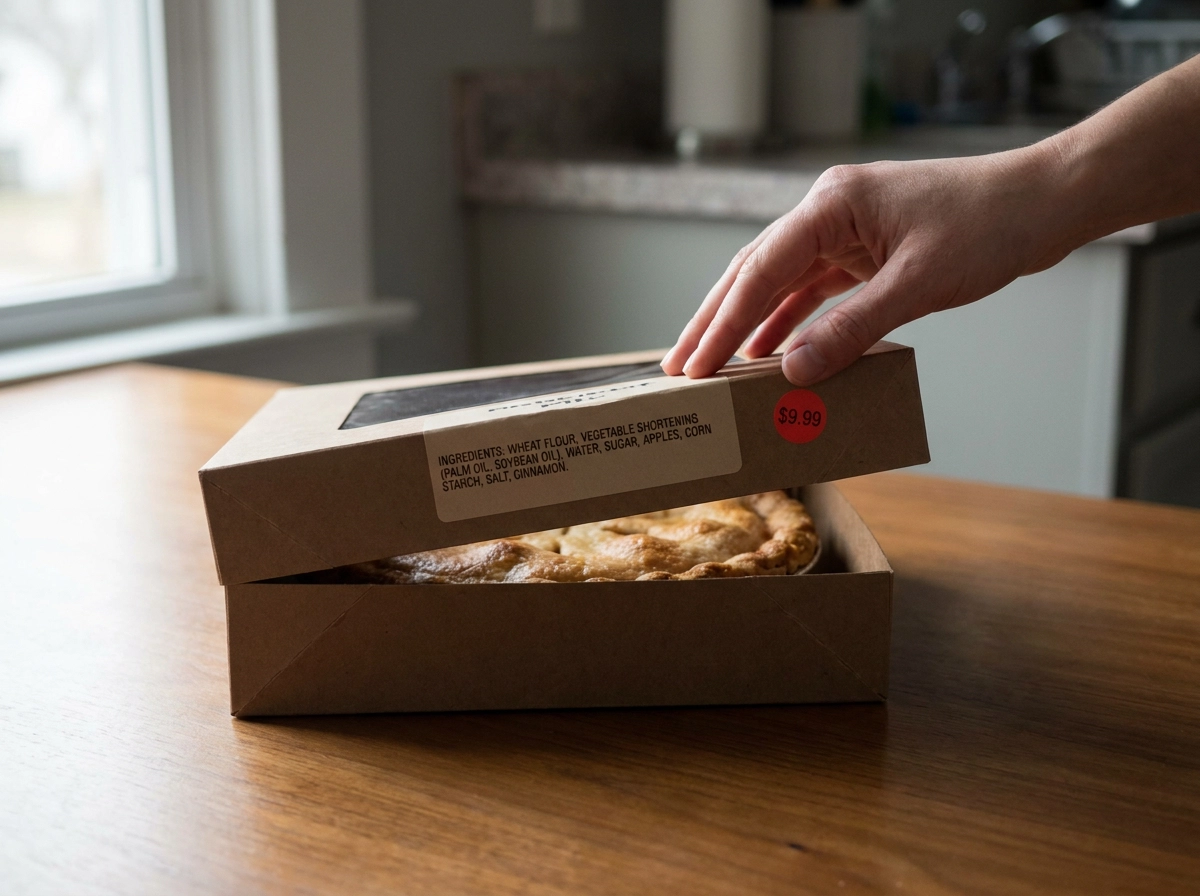
That is why only the full ingredient list answers the fat question. A Contains statement will not name an ingredient it is not required to declare, so lard can sit in the dough while the allergen line stays clean. And allergen information can appear in either place, inside the ingredient list or in a separate Contains statement, so scan both, not just one (WSDA).
Treat no milk and no egg as the floor for a vegan pie crust, not the finish line. Confirm the fat separately, every time.
Reading Vegan Pie Dough Labels: What Must Be Declared
If the fat question has to go beyond the label, here is what the label still guarantees.
The Food Allergen Labeling and Consumer Protection Act, effective January 1, 2006, requires major allergens to be named by their common names. Milk must appear as “milk,” egg as “egg” (MSU Extension).
More than 160 foods have been identified as allergens, and the big eight account for roughly 90 percent of food allergies. That count is moving: MSU Extension describes the big eight, while the WSDA guide revised February 2025 lists nine, adding sesame. Check the current list rather than trusting one article’s number.
The rule reaches cottage food products and foods packaged by retail or foodservice establishments, which is where many small pie sellers operate.
Why it matters: labeling errors caused over 70 percent of major food allergen recalls with known causes in FY2013 to 2019 data. Milk was the most frequently involved allergen, and bakery products were the most common category (WSDA).
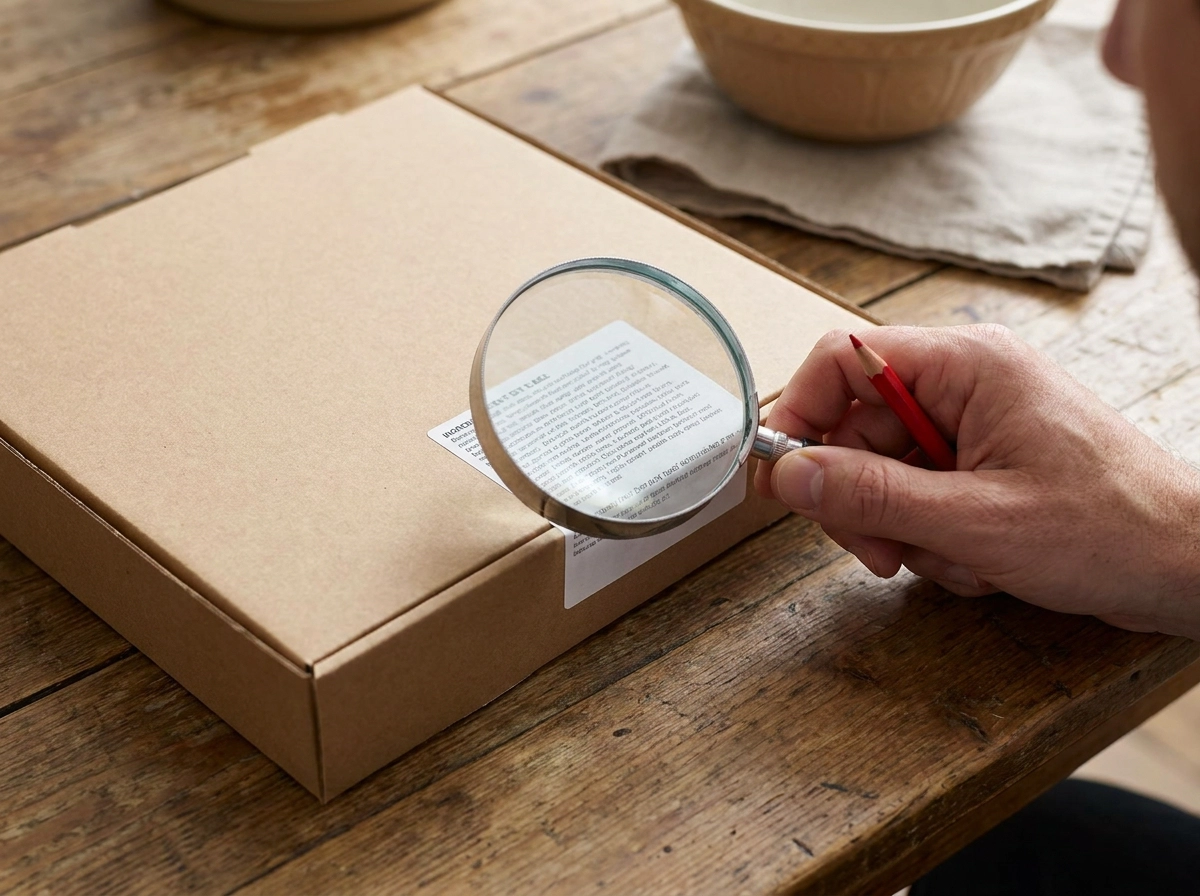
When you read vegan pie dough or vegan pie shell labels, do it in two steps: scan the ingredient list for hidden milk and egg names, then scan the Contains statement for anything the ingredient list buried. Both spots matter.
What Vegan Pie Shell Labels Still Will Not Tell You
Even a carefully read label sits on top of a moving target. FDA’s fifth edition allergen Q&A guidance, dated January 6, 2025, revised what counts as a declared allergen: goat and sheep milk now fall under milk, duck, goose, and quail eggs fall under egg, and coconut was removed from tree nuts.
Then comes label lag. The guidance runs with an informal grace period, so companies may correct packaging with a sticker or simply fix it on the next print run. Boxes already sitting on shelves can carry outdated allergen information.
The rules are still in motion, too. FDA held a virtual public meeting on food allergen thresholds from February 18 to 20, 2026, so no allergen label should be treated as permanent.
Here is the limit that matters most for vegan pie shells: none of these updates reveal lard, and none reveal an egg wash. The label answers the milk and egg question well and leaves the fat and the finish open.
The only reliable combination is reading the label plus asking the seller one direct question about fat and finish.
Vegan Pie Shell Buyer’s Checklist Before You Order
Run this checklist every time you order, and the label stops being a guess.
First, ask three questions in writing: What fat is in the crust? Is there an egg wash? Does the dough contain milk, cream, butter, whey, casein, or lactose?
Second, scan both the ingredient list and the Contains statement for milk, egg, cream, butter, whey, casein, lactose, cheese, albumin, dried egg solids, globulin, and powdered eggs.
Third, hunt for lard and tallow by name. Allergen rules do not require these animal fats to be flagged, so their absence from a label means unconfirmed, not proven.
Fourth, favor sellers who publish full crust ingredients or answer the fat question directly. Bean Pie America’s cream-free pies are built around plant-based swaps, and you can read how those ingredients shape a bean pie’s flavor before ordering, though crust details and current label wording should always be confirmed with the seller.
Finally, save the answer. A screenshot or a written reply is your record, especially when ordering for someone with a milk or egg allergy. A serious allergy is a question for the seller, not the packaging.
Verify the Crust, Then Enjoy the Pie
Your checklist is only useful if you actually run it. Three checks answer the whole question at once: plant-based fat, no egg wash, and no dairy in the dough. All three can be settled before you order.
Labels do part of the work well. Milk and egg must be declared by name, so a quick read rules out two of the animal ingredients most common in a vegan pie crust. Labels stop short on lard, though. No allergen rule forces it to be flagged, so the full ingredient list plus one direct question to the seller is the fastest route to certainty.
Put that to work on your next order, whether it is a bean pie, a sweet potato pie, or an apple crumb pie. You can also read more about ingredients and health benefits while you wait. Confirm crust details with the seller every time, and the verification habit sticks.
Conclusion
The crust is where vegan pie claims are most likely to fall apart, so do not stop at the label. Remember the three checks: the fat must be plant-based, the crust must skip egg wash, and the dough must contain no dairy. Labels help by naming milk and egg, but they may not flag lard, which makes the full ingredient list and a direct question to the seller essential. That simple verification protects anyone with a milk or egg allergy and gives every vegan pie order a firmer footing. You now have a repeatable way to separate a truly vegan crust from one that only looks vegan. Before your next bean, sweet potato, or apple crumb pie, run the checklist, confirm the crust details, and save your answer. Then order with confidence and enjoy the pie.
