No products in the cart.
Bean Pie
Bean Pie vs. Sweet Potato Pie vs. Squash: How to Choose

24
Oct
Oct
Standing in front of a bakery case, trying to choose between bean pie, sweet potato pie, and butternut squash pie can feel like a quiz you didn’t study for. They all sound like southern baked pies, they all look golden, and everyone at the table seems to have an opinion. Here is the good news: you do not need a family history lesson or a food science degree to pick the right slice. You just need to know what each pie does best.
This post is a side-by-side comparison, not another deep dive into where each recipe came from. We will look at the three heritage pies on the menu, then compare them through five things that actually change your order. You will get quick snapshots of bean pie’s dense, spiced character, sweet potato pie’s lighter, custardy texture, and butternut squash pie’s mild, gentle sweetness. From there, we will compare texture, sweetness, and spice side by side, match each pie to the right table and occasion, touch on nutrition without the hype, answer common ordering questions, and point you toward where to order heritage pies online. By the end, you will know exactly which slice fits your table.
The Three Heritage Pies at a Glance
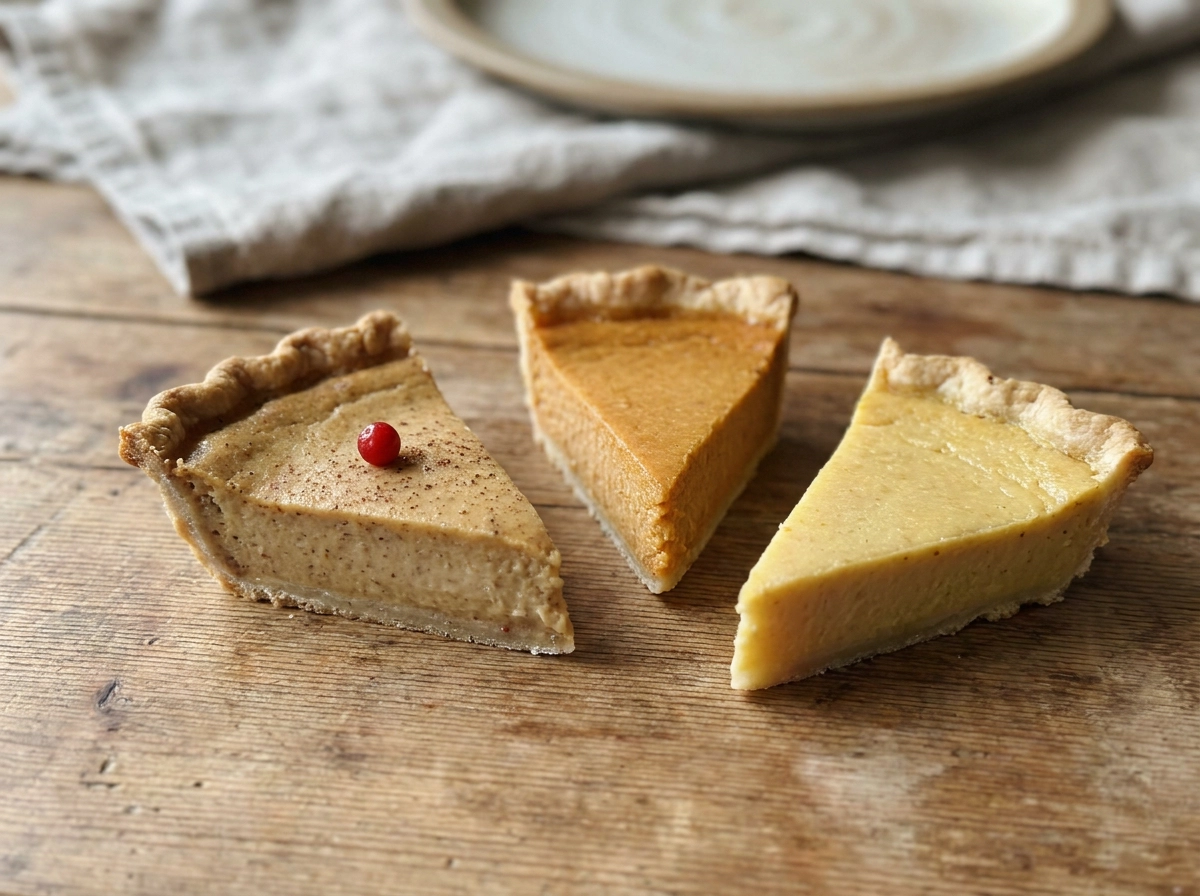
In short: bean pie is boldest, sweet potato is lightest, butternut squash is mildest.
Bean pie is a navy bean and spice filling with a custard-like, sliceable set. It eats like a spiced custard, not a bean dish, which surprises first-timers every time. Sweet potato pie is the southern baked pie most guests already know, with a softer set, brighter sweetness, and a familiar cinnamon and nutmeg backbone. Butternut squash pie lands closest to pumpkin, silky and least sugar-forward, which makes it the easiest sell for picky eaters.
So skip the authenticity question. The useful question is which pie fits the people, the meal, and the occasion in front of you. Browse the heritage pie menu and decide by the table, not the history book.
How We Are Comparing Them: Five Things That Actually Change Your Order
With that quick lineup in mind, here are the five practical checks we use when helping customers order. All texture, sweetness, and spice descriptions in this post are our own tasting notes, not laboratory measurements. Think of them as house tasting notes and brand recommendations, not lab results.
- Density and set. Bean pie holds a clean cut edge best, so it travels and survives a buffet line. Sweet potato pie is softer, and butternut squash is the loosest, so chill either before slicing.
- Sweetness. Sweet potato pie hits early and bright. Bean pie brings a slower, deeper sweetness that lands on the finish. Butternut squash stays mildest.
- Spice. Bean pie leads with warm spice, sweet potato pie uses classic baking spice, and squash pie keeps seasoning light so the vegetable shows.
- Filling, crust, topping. A thick filling and thin crust feel richer. Whipped cream, meringue, or a plant-based topping changes heaviness, so check before ordering.
- Crowd fit. For one safe pie, choose butternut squash. For adventurous guests, bean pie. For a mix, browse our Variety of Flavor Options.
Bean Pie: Dense, Spiced, and Built to Be Remembered
Bean pie leans in where the other two lean light. Navy beans are cooked down until smooth, then sweetened and spiced, giving the filling what our kitchen describes as a thick, cheesecake-firm body that cuts cleanly. Discovering the Unique Bean Pie explains how that set comes together.
In our experience, flavor runs deep rather than bright, molasses-like warmth, cinnamon and nutmeg up front, with a finish that seems less sugary than expected.
The story matters, too. Bean pie grew out of African American Muslim communities, sold from community bakeries and storefronts as a wholesome, affordable dessert. That diaspora and Great Migration foodway makes it one of the more conversation-starting pies on the table.
Serve it thin, since a narrow wedge of a dense pie eats like a wide wedge of a light one, and warm it slightly with black coffee or unsweetened tea so the spice has something to push against. Best for hosts who want the table talking, spice-forward dessert fans, and anyone craving a substantial slice.
Sweet Potato Pie: The Custardy Southern Baked Pie Everyone Expects
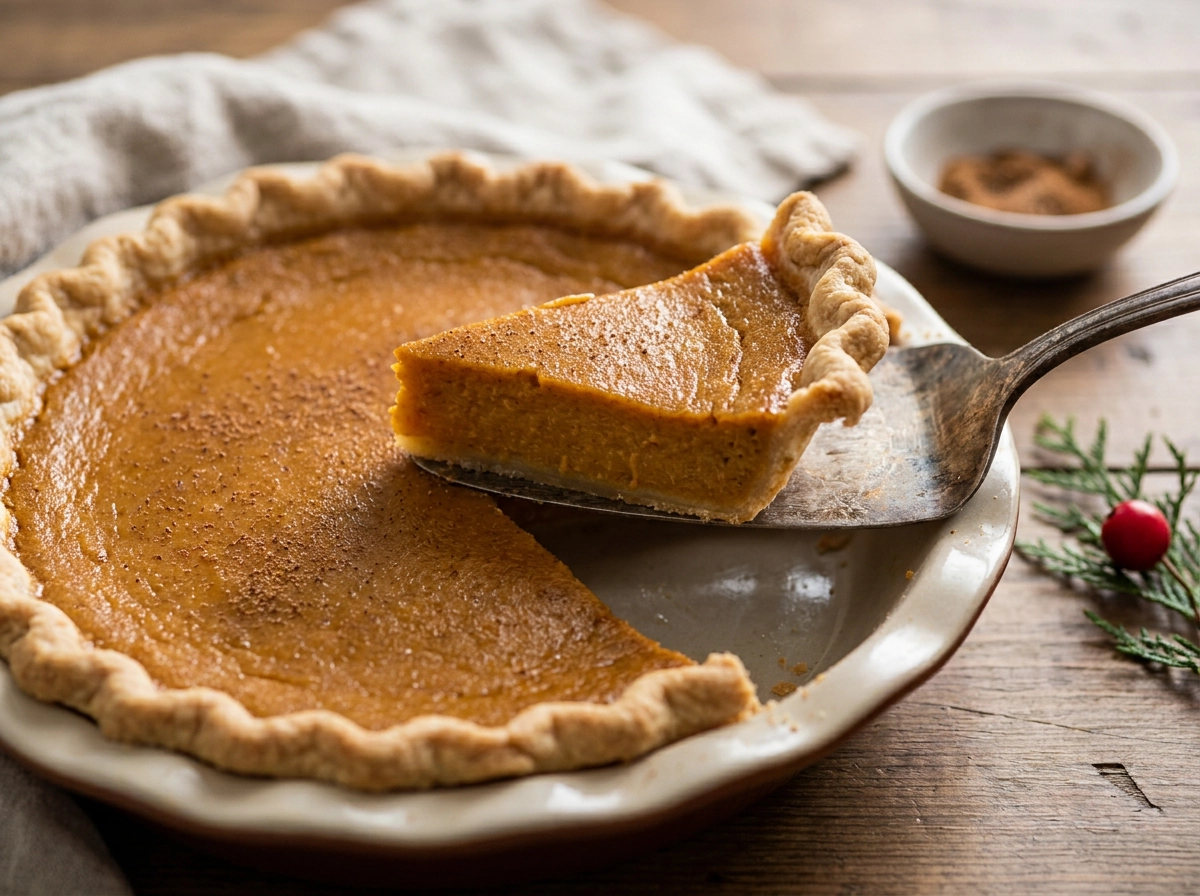
Bean pie’s firm wedge has a polar opposite. Sweet potato pie is lighter, moister, and custard-like, and slicing rewards a gentle chill first. In our tasting, sweetness reads brighter and earlier, usually rounded out with cinnamon, nutmeg, and vanilla.
Among southern baked pies, this one has the widest recognition. It shows up at Sunday dinners, church functions, and holiday tables, and older relatives tend to expect it by name. That familiarity has deep roots, explored in Sweet Potato Pie: A Celebration of African Heritage.
Topping decisions matter more than people think. Whipped cream or meringue adds richness on top of an already creamy filling, while a plant-based swap changes the cholesterol and saturated fat picture meaningfully.
Best for: mixed crowds, traditional holiday menus, and anyone ordering for people who want the pie they grew up with rather than a new experience.
Butternut Squash Pie: The Mildest Slice on the Table
If sweet potato pie is the familiar hug of the group, butternut squash pie is the quiet one. Its filling is smooth, with what we find to be a gentler finish, and a subtle earthy quality that never shouts. It is the only one of the three that will not overwhelm a guest who thinks dessert should be gentle.
Compared to the other two, squash pie keeps seasoning restrained so the vegetable stays present. You taste squash first, spice second.
In our kitchen, the texture is the silkiest of the three and the set the loosest. Chill it well and use a sharp, thin knife for the cleanest slices.
Flavor-wise it lands closest to pumpkin pie, which makes it an easy recommendation for pumpkin fans and anyone who finds sweet potato pie too sweet.
Best for kids, spice-averse guests, potlucks where you do not know everyone’s palate, and tables where one bold pie already has the spotlight. The full heritage pie lineup runs from this gentle slice to the boldest bean pie, so you can order contrast on purpose.
Pairs well with strong coffee, a squeeze of citrus, or a lightly sweetened whipped topping rather than a heavy one.
Side by Side: Texture, Sweetness, and Spice Compared
Here is how the three pies compare across five criteria, use it as a decision tool, not a ranking.
| Bean Pie | Sweet Potato Pie | Butternut Squash Pie | |
|---|---|---|---|
| Filling base | Navy beans, sugar, spice | Sweet potato, baking spice | Butternut squash, light spice |
| Texture and set | Dense, firm, cuts clean | Creamy, medium set | Silky, loose |
| Sweetness level | Deep, least sugary up front | Sweetest, most familiar | Mildest |
| Spice intensity | Warm, heavy | Classic cinnamon and nutmeg | Restrained |
| Delivery | Holds shape well in transit (our experience) | Chill before slicing | Refrigerate in transit (chill before transit) |
| Best-case crowd | Spice lovers, adventurous tables | Traditional holiday tables, southern baked pie fans | Kids, potlucks, spice-averse guests |
These texture and sweetness calls come from our own tasting notes, so treat them as brand recommendations. For the fuller flavor story, see the secrets behind the delicious taste of bean pies.
Which Pie for Which Table? An Occasion by Occasion Guide
Match the pie to the room, not the other way around.
Holiday dinner with relatives who have strong opinions: Lead with sweet potato pie as the anchor and add bean pie as the second option. Two pies, zero arguments.
Office potluck or a large gathering with unknown palates: Butternut squash pie is the safest single order because it offends nobody, while a mixed box with all three turns the dessert table into a conversation.
Sunday dinner or a smaller family meal: One dense bean pie goes further than expected, since thin slices satisfy and stretch across more guests per pie.
Date night or an intimate dessert moment: Split two slices and compare directly. Tasting bean pie next to butternut squash makes the texture difference obvious in a way no description can.
Gifting or shipping to someone out of town: Prioritize bean pie and other dense fillings, which tend to survive handling better than loose custard-style pies.
Health-conscious crowd: Ask about crust and topping ingredients first, since the vegetable fillings are not the part that drives saturated fat. Bean pie also brings bean-based protein and fiber to the slice, which may make it feel more filling per bite. For pairing ideas, see our serving suggestions for bean pie.
Nutrition Without the Hype
That health-conscious note deserves a closer look. USDA FoodData Central is the right stop for ingredient-level navy bean, sweet potato, and butternut squash numbers. As of the 2026 releases, it still lists no finished pies, so any pie-level claim has to come from the bakery itself; our Ingredients and Health Benefits page is a good start.
Generally speaking, fat and cholesterol in a pie come from the butter, cream, eggs, and evaporated milk in the filling and crust, not the vegetable, though exact values vary by recipe. Swapping cream for a plant-based alternative moves the numbers more than switching fillings ever will. Check the crust just as closely. In many recipes, the butter crust contributes a substantial share of saturated fat, worth checking against the bakery’s ingredient list.
Bean pie still earns a spot in a lighter lineup, thanks to protein and fiber from navy beans and a sweetness that is less sugar-forward than expected. Portion logic beats label reading: a thin slice of dense bean pie satisfies like a wide slice of custard, so you may eat less without feeling shortchanged.
Common Ordering Questions, Answered
The questions before checkout are simpler. Here are the ones we hear most.
Can I order all three at once? Yes, and you should if the debate is real. A comparison box settles the argument in one sitting faster than any article can.
Which one freezes best? Dense bean pie freezes and thaws most reliably. Custardy sweet potato and butternut squash pies can weep or separate, so eat those fresh when possible.
Do the pies need to be served warm? All three are best slightly warm or at cool room temperature. Any of them works straight from the refrigerator if you prefer a firmer slice.
What if a guest claims they do not like beans? Bean pie is often the conversion story. The filling does not taste beany; in our experience, tasters often guess sweet potato or pumpkin.
How far ahead should I order for holidays? Earlier than you think. Heritage pies peak around Thanksgiving and Christmas, and delivery windows fill before the menu does, so order early and confirm your slot.
Next: where to order all three.
Where to Order Heritage Pies Online
So where do you actually place the order? Bean Pie America puts the whole comparison flight on one menu: bean pie made from navy beans with sugar and spice, sweet potato pie, and comforting classics like apple crumb.
The menu also includes pies that swap cream for plant-based ingredients, which trims cholesterol and saturated fat without changing the heritage flavor. That is a quiet win for the health-conscious half of your guest list.
For a mixed table, order one dense pie and one lighter pie, then label the slices. This is our own recommendation as the bakery, but the logic holds: a comparison set is the most straightforward way to learn your table’s preference.
Pick the Slice That Fits Your Table
Still torn? Use this as your closing tiebreaker.
- Bean pie → boldest spice and densest texture.
- Sweet potato pie → the familiar Southern classic.
- Butternut squash pie → mildest, safest crowd choice.
Cannot decide? Order all three from Bean Pie America and let the table vote. The best heritage slice is the one the people in front of you actually finish.
Conclusion
Choosing between bean pie, sweet potato pie, and butternut squash pie comes down to texture, sweetness, spice, and the table in front of you, all three pies are covered above. Nutrition, occasion, and guest preferences all matter, but the real test is taste.
Pick the slice that fits your people, then enjoy the one they finish first. Ready to order? Visit Bean Pie America to place your order.
