No products in the cart.
Blogs
Which Pies Travel Best to a Potluck, Reunion, or Church Dinner?

22
Oct
Oct
Imagine arriving at the church dinner with a pie that looks perfect, then watching it slump into a puddle before the first slice. If you’re hunting for easy desserts to bring to a party, the smartest choice isn’t always the flashiest recipe. It’s the pie that can survive a car ride, a cooler, and an hour on a folding table. That’s why this post ranks pies by travel behavior, not just flavor.
We’ll start with why travel matters more than taste, then explain how we ranked each pie. You’ll meet the sturdy bean pie, the nearly tough sweet potato pie, and the middle-of-the-pack apple crumb pie. We’ll also cover custard-topped, meringue, and juicy fruit pies, which are better left at home. Finally, you’ll get a packing and holding playbook, a clear look at why temperature control is the real potluck risk, and practical tips for what to bring and how to bring it. By the end, you’ll choose a pie like a prepared host, not a lucky one.
Why Travel Behavior, Not Flavor, Should Pick Your Pie
When you ask “what should I bring,” you are really asking what will still look and slice right after 45 minutes in a warm car and an hour next to the potato salad. Flavor is the easy part. Survival is the real test.
This ranking comes from my own timed tests and experience, not a published study. No source compares pie travel performance. My opinion, backed by those tests: pies with a dense, custard-set filling hold their structure better than crumb-topped or high-water fruit pies. Crumb toppings pull moisture from the filling and lose their crunch. Double-crust fruit pies trap steam that softens the bottom crust. Juicy fruit fillings thin out as they sit at room temperature, so slices weep and slide.
Choosing by travel behavior means you arrive looking prepared instead of lucky, with a dessert that still looks like dessert at serving time. Flavor still matters, and you can explore flavor pairings that surprise and delight, but it cannot rescue a pie that collapsed in transit.
The list ahead ranks pies by how well they survive transport and holding. Food safety is factored in too, because egg and dairy custards are perishable and need cold holding.
How We Ranked These Pies for Travel
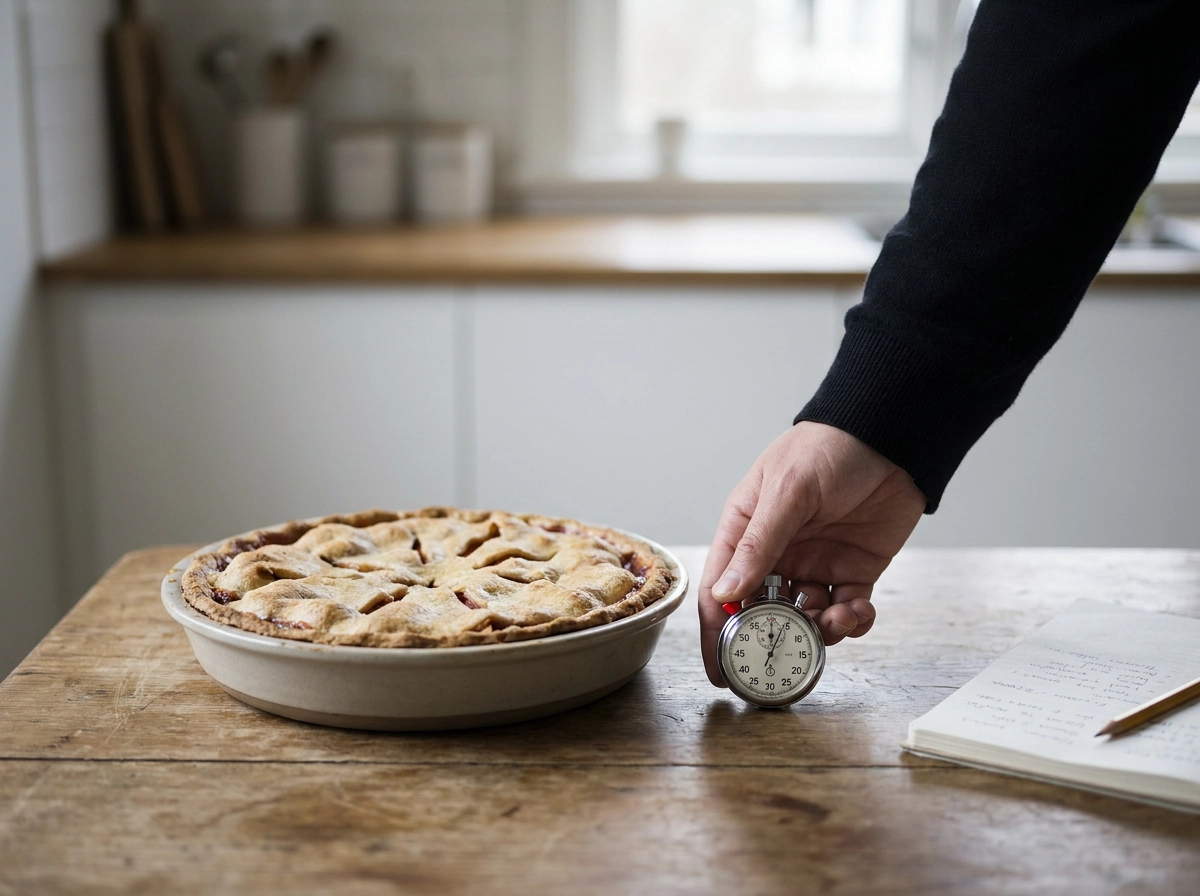
Every pie on this list was tested the same way: packed identically, driven a similar distance, and photographed at 0, 30, 60, and 90 minutes on the table. Four criteria, scored simply:
- Structure: does it hold a clean slice after sitting out?
- Moisture behavior: does it weep, sweat, or soak the crust?
- Temperature risk: is it perishable, and does it need cold holding?
- Packing ease: does it survive a wrapped, tilted ride?
Try your own version with a friend and a stopwatch. Testing beats guessing, and you will see the differences fast.
Two safety rules apply to every pie here. Perishable food should not sit out longer than two hours, cold foods should be nested in ice, and hot foods should stay above 140 degrees Fahrenheit in chafing dishes or slow cookers (USDA’s danger zone guidance). Transport makes that clock easier to manage: hot dishes ride in a thermal bag, cold dishes ride in an insulated bag with ice or another cold source, and a fully chilled pie handles a tilted back seat far better than a warm one. Ordering ahead? See Timing Your Order for Freshness.
Here is how the pies stacked up.
1. Bean Pie: The Pie That Arrives Looking the Same as It Left
Bean pie earns the top spot because it’s the closest thing to a pie that looks the same on arrival as it did in your kitchen. A navy bean base with sugar and spices bakes into a dense, custard-like filling that holds its height, slices cleanly, and doesn’t weep into the crust during a long ride.
It’s also a genuine southern baked pie, not a novelty. Bean pie has Southern roots and became a community staple through the Nation of Islam, which popularized the navy bean version and made it a fundraising fixture at community gatherings by the 1960s. That history is part of why it belongs on a reunion or church dinner table.
Two caveats keep it honest. Most recipes set with sugar and eggs, which makes it perishable: keep it cold in an insulated carrier, skip the hot trunk, and get it back in a cooler or fridge within two hours.
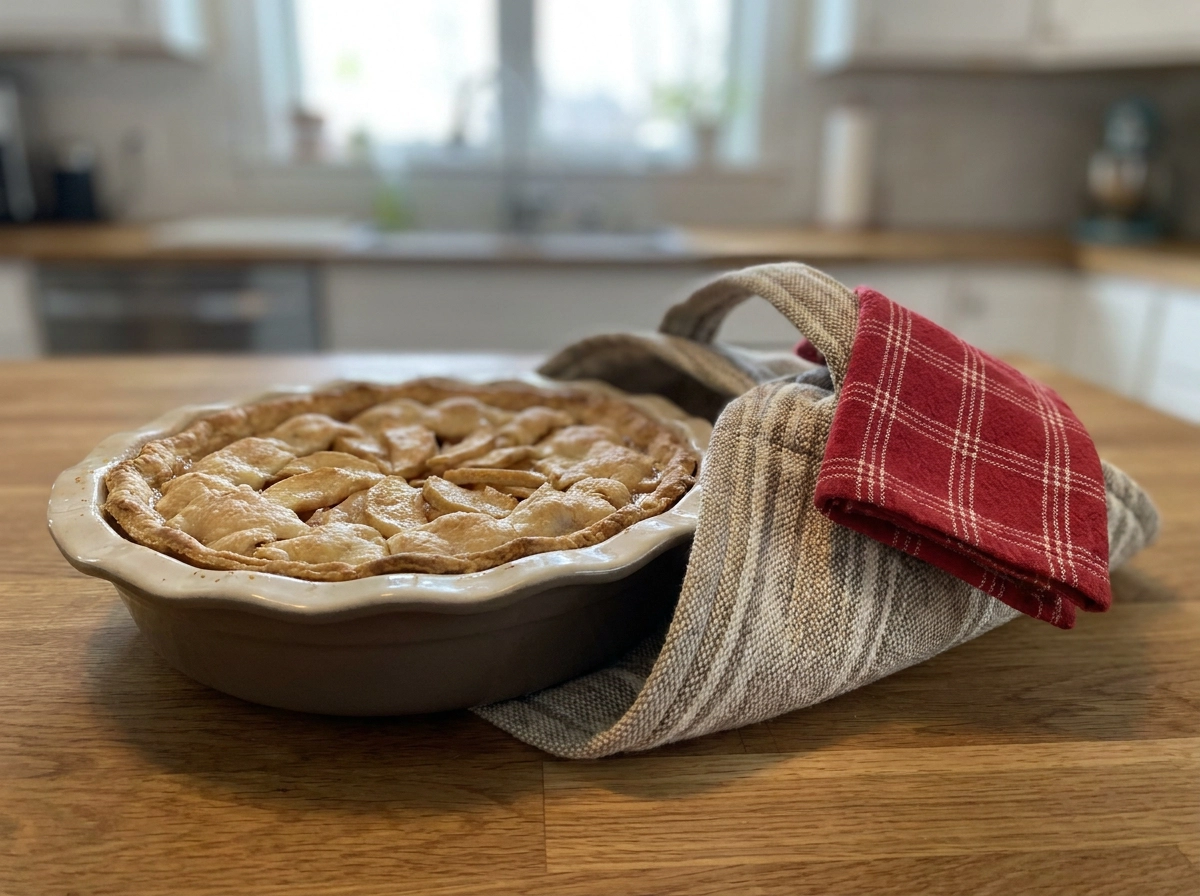
Packing tip: bake and fully cool it the night before, chill it, then return it to the pie plate inside a carrier with a frozen gel pack underneath and a towel over the top. A cold, firm pie rides a tilted back seat far better than a warm one.
Don’t want to bake? Bean Pie America delivers navy bean pies plus plant-based cream swaps, ready to carry in.
2. Sweet Potato Pie: Nearly as Tough, with a Softer Crust Risk
Sweet potato pie lands almost as high, and for the same reason: a dense, custard-set filling that slices cleanly and stays put through a car ride. The difference is underneath. A flaky all-butter or shortening crust softens faster than a firm bean filling pulls moisture, so an hour on a folding table is where sweet potato pie starts to show wear along the edges and bottom.
Most recipes use a custard-based filling of eggs and dairy, which makes it perishable and means it belongs on ice during transport and in a cold spot at the table, per standard cold-holding advice for perishable food.
Bring a thin metal spatula and cut slightly thicker slices. A chilled sweet potato pie releases from the plate far more cleanly than a room-temperature one.
It also fits the brief. Sweet potato pie is a Southern staple that reads as homemade even when it was not, which is exactly the tone reunion and church dinner tables call for. The same custard logic drives creative twists on the classic bean pie, so you can rotate between the two without changing your packing routine.
3. Apple Crumb Pie: Great Flavor, Mid-Pack for Travel
Sweet potato pie wins on structure; apple crumb pie wins because nobody turns it down. Here’s the honest verdict. Crumb toppings are the weak point in transit. The streusel steams under foil, loses its crunch, and by the second hour on a folding table it can look tired even though it still tastes fine. The filling also releases liquid as it sits, soaking the bottom crust and making the first slice messy. Treat that as observation, not a published fact.
Where it still wins: apple is the least temperature-sensitive pie here. An acidic, stable filling means a slightly warm slice carries far lower food safety risk than a warm custard pie.
Packing helps. Cool it completely, skip the foil while it’s warm, and carry it flat and level. Use the cooler if there’s room; if not, keep it out of direct sun. A low-risk fruit pie can handle that.
For anyone searching easy party desserts or easy desserts to bring to a party, apple is the crowd-pleaser nobody has to be talked into. If nostalgia is the draw, our Apple Crumb Pie: A Slice of Nostalgia covers the sentimental pull of this classic.
Next up: the pies you should leave at home.
4. Custard-Topped, Meringue, and Juicy Fruit Pies: Leave These at Home
Apple crumb pie sits mid-pack for travel. These land dead last, and not because of flavor.
Banana cream, coconut cream, lemon meringue, and juicy double-crust berry pies all fight the same three enemies: heat, humidity, and time on a folding table.
Meringue and whipped toppings are the first to go. They deflate, weep, and can turn grainy within an hour at a warm outdoor reunion. Juicy fruit fillings thin as they sit, and a double crust traps steam that softens the bottom layer until the slice collapses on the plate.
Food safety raises the stakes. These pies are egg and dairy heavy, so they must stay below 40 degrees Fahrenheit in an insulated carrier with ice. Anything out longer than two hours should be discarded, not driven home.
If someone in the family insists on a cream pie, offer a swap. Assemble and top it on site so the whipped layer never rides in a warm car. Or bring the denser bean or sweet potato version instead. A navy bean pie brings that same custard satisfaction and handles a car ride, which is part of why bean pies work for so many occasions.
The Packing and Holding Playbook for Any Pie
If you bring a sturdy pie, pack it like you mean it. Start cold: refrigerate it overnight, and if you bought it chilled, get it home within two hours, or within one hour when temperatures top 90°F, per Food Keeper guidance. If your pie arrived by delivery, these same habits apply; see Tips for Enjoying Your Pumpkin Pie After Delivery.
Build two car zones. Custard pies ride in an insulated bag with ice or frozen gel packs. Shelf-stable or low-risk fruit pies can sit flat in a shaded spot. Never park a custard pie in a hot trunk.
Write down your timeline. A pie leaving the fridge at 9 a.m. without a cold source has three hours before a noon table, already past the two-hour danger-zone window. A cooler with ice packs keeps it out of that zone; without one, the clock starts the moment the pie warms above 40°F.
At the table, nest the pie plate in a bowl or shallow tray of ice. Keep it out of direct sun, and set out a clean serving knife. Usable cold holding beats a pretty presentation. Leftovers? Toss perishable pie that sat out longer than two hours instead of driving it home to refrigerate. FSIS points to mishandling, not label dates, as the driver of foodborne illness risk.
Why Temperature Control Is the Real Potluck Risk
You packed it right. Here is why that matters more than the recipe.
Foodborne illness is not a rare edge case. CDC figures cited in federal food safety guidance put it at tens of millions of cases a year in the United States, with roughly 53,000 hospitalizations and more than 900 deaths from just six common pathogens. Older CDC estimates ran higher.
Federal food safety guidance highlights temperature control as the most critical variable at community events like church dinners and reunions, where no trained food handlers are on site. Nobody on site is checking temps.
Handwashing is the most commonly skipped step. USDA research found that nearly everyone tested failed to wash hands effectively. Bring hand sanitizer, and use the church kitchen sink if you can.
Sell-by and best-if-used-by dates speak to quality, not safety. A pie is not automatically fine because it is within date, and not automatically spoiled because it is past it. Mishandling is what makes people sick.
Get that part right, and the pie you choose becomes a much smaller variable.
What to Bring, and How to Bring It
Now that the risk is clear, here is the practical answer. Ranked by travel performance: bean pie first, sweet potato pie a close second, apple crumb pie third, and cream, meringue, and juicy fruit pies last.
The ranking holds: bean pie first, sweet potato second, apple crumb third, cream and meringue last.
No time to bake? Bean Pie America delivers navy bean pies and sweet potato pie, with plant-based cream-swap options available. Ways to enjoy a bean pie go beyond the standard slice.
Final checklist: chill overnight, pack cold pies on ice, carry the pie flat, bring a spatula and an ice bath, and leave the meringue at home.
Conclusion
The pie that travels best is the pie that still looks and tastes right when it reaches the table. Follow the ranking and the checklist above, and the pie arrives looking the way it left. These habits protect your guests and your reputation. Ready to simplify your next potluck? Choose a sturdy pie, follow the checklist, or let Bean Pie America deliver a cold, firm, table-ready navy bean or sweet potato pie. Good pie travels well when you plan ahead.
