No products in the cart.
Blogs
Which Bean Belongs in a Classic Bean Pie? Navy vs Others

16
Oct
Oct
If you have ever stood in a bakery or scrolled a recipe blog wondering whether navy bean pie, pinto bean pie, and butter bean pie are three different desserts, you are not alone. The confusion is understandable, but it hides a simpler truth: these are variations on one classic dessert family, and the classic bean pie is a navy bean pie. This post untangles the names without pretending every version is identical. It explains why navy, pinto, and butter bean pie belong together, what the classic bean pie actually is, and why the navy bean became the traditional choice. You will also learn what changes, and what does not, when a recipe swaps in pinto or butter beans; where the butter bean naming problem comes from; how the three versions compare side by side; and how to tell an authentic bean pie when you buy one. By the end, you will understand why the bean question is more than trivia and how to pick the pie that tells the truth about its beans. For beginners, the takeaway is straightforward: use navy bean pie as your reference point.
Why Navy, Pinto, and Butter Bean Pie Are One Dessert Family
Search navy bean pie, pinto bean pie, or butter bean pie and the same question surfaces: which one is real? The honest answer begins with recognizing these are not three separate products. They are one dessert with a different legume blended into the filling.
Bean pie descends from sweet potato pie, a staple of Black American soul food. As Benton’s MIT research puts it, if most Black folks ate sweet potato pie, the Nation of Islam baked and sold bean pie. The Accokeek Foundation suggests that Elijah Muhammad’s objections to sweet potatoes probably led to their replacement with navy beans, the Foundation’s inference, not a settled fact. That is the very substitution cooks debate today, so the debate concerns a variation on the pie that created it.
The answer therefore lives in history, not on a label. Identity comes from custard method and lineage, not from whichever bean a box names first. Recognizing the family also clarifies side questions, including whether bean pie is a gluten-free dessert.
What follows compares which bean is traditional, what pinto and butter bean substitutions do to color, sweetness, and creaminess, and how a buyer recognizes an authentic pie.
What the Classic Bean Pie Actually Is
The classic pie’s ancestry runs through sweet potato pie. Benton identifies Melinda Russell’s 1866 cookbook as containing the oldest known published sweet potato pie recipe, with Abby Fisher publishing a similar version in 1886. During the Great Migration, that recipe moved north into bakeries and cookbooks decades before bean pie appeared. Origin and Rise of the Bean Pie traces that longer arc.
The bean pie itself belongs to the Nation of Islam’s Detroit story. W. D. Fard founded the movement in 1930. By the 1960s it counted more than 500,000 members and 75 mosques, while its businesses employed more than 11,000 Black workers. Bean pies were part of that commercial and fundraising engine.
Why navy beans? The Accokeek Foundation reports that Elijah Muhammad’s How to Eat to Live named the navy bean as the only legume the Nation sanctioned. That specific approval, not bean availability alone, made navy the default.
Origins remain disputed. Benton notes popular legend credits Lana Shabazz, while others credit Fard; the precise beginnings remain elusive. Treat any single inventor story as legend.
Benton’s ingredient list is broader: white beans, sugar, butter, cinnamon, pie crust. That is the family standard. Navy is the specific bean the Nation used.
Navy Bean Pie: The Traditional Bean and Why It Won
Navy beans are the specific legume at the center of the classic bean pie. That religious sanction, covered in the classic bean pie section above, is what made navy the community default.
Benton’s research makes the choice deliberate: where the wider Black community cooked black-eyed peas, the Nation of Islam cooked navy beans; where most Black families ate sweet potato pie, the NOI baked and sold bean pie. That marks navy as a community decision, not a grocery-store accident.
Note the vocabulary: written records often say “white beans” as the broad family term, while “navy” names the specific bean. Holding both in view honors the tradition without treating every other white bean as fraudulent.
In practice, navy beans mash to a fine, neutral paste that sets into a dense, sliceable custard, which is what let them stand in for sweet potato.
For buyers, “navy bean” near the top of an ingredient list is the strongest single signal of the classic method. For the pie’s cultural roots, see why the bean pie is more than a sweet treat.
Pinto Bean Pie: What Changes When You Swap the Bean
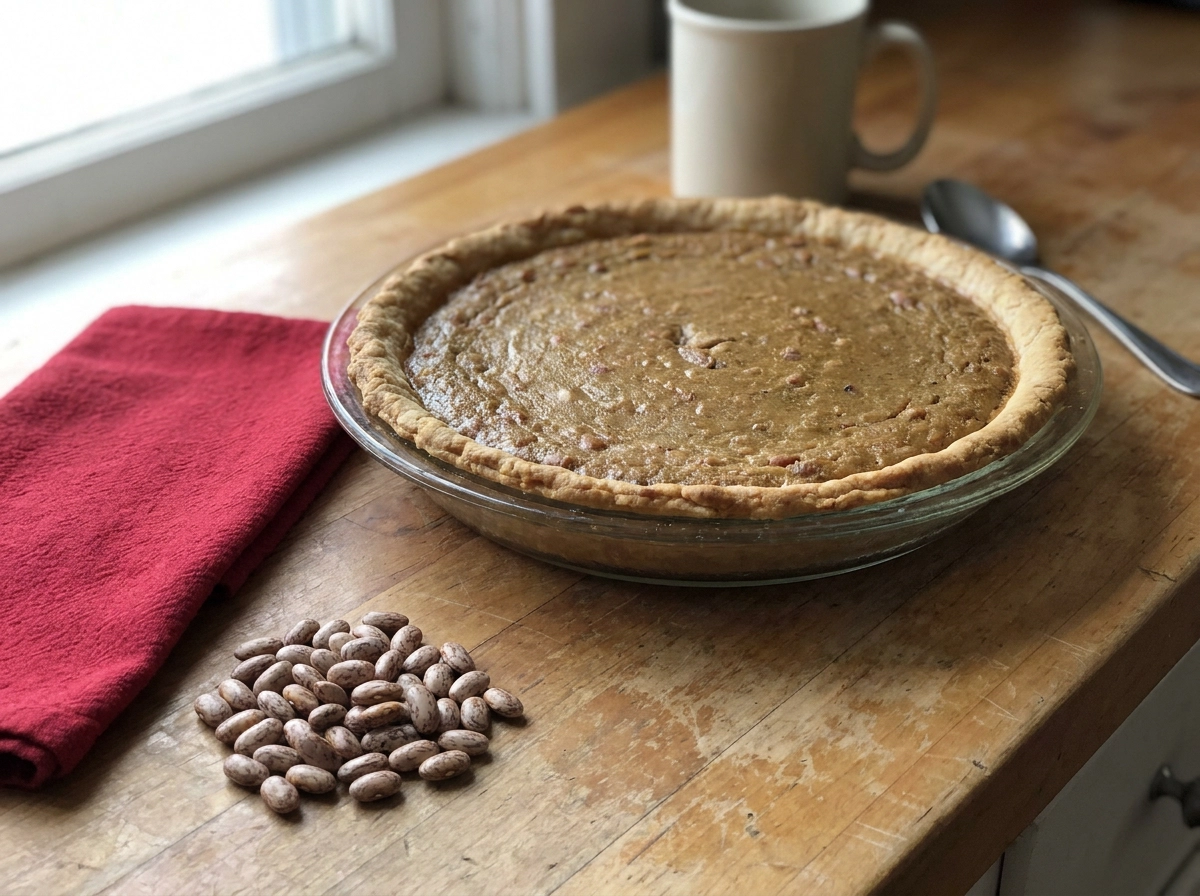
Swapping pinto beans into a bean pie is a substitution, not a separate tradition. No usable published source documents a pinto bean pie lineage, while navy is the bean named in the dish’s documented origin. That distinction matters when a label claims otherwise.
The flavor and color observations below are kitchen notes, not findings from a published source. Pinto beans have a pinkish tan skin and a rounder, earthier flavor than navy beans. In a custard filling, that reads as a browner tint and a less neutral base for cinnamon and nutmeg; the spices work harder against the bean. Pintos are also most often cooked with onion, garlic, and cumin. Reaching a clean dessert profile takes more rinsing and longer blending, a practical reason bakers rarely default to them.
The health case is thin. You can compare their fiber and protein values through the USDA nutrient database before treating any nutritional swap as equivalent.
If a seller calls pinto bean pie the original or authentic version, the documented record does not support that, and it is fair to push back politely. For how the bean shapes the finished dessert, see our notes on the flavor profile of bean pies.
Pinto pies are still real pies, and good ones exist. The honest framing: a variation by choice, not the source of the tradition.
Butter Bean Pie and the Naming Problem
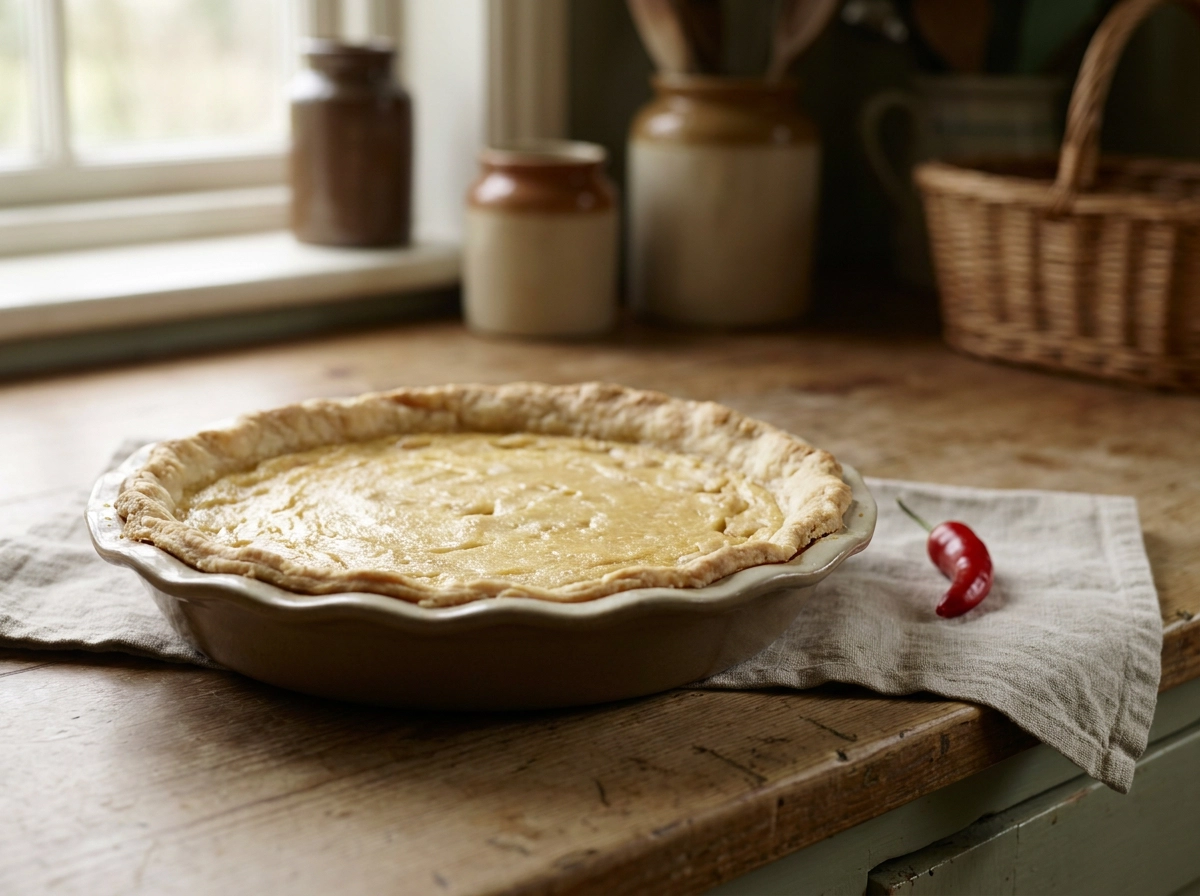
Butter bean pie shares that substitution status and adds a naming problem pinto does not have.
Butter bean is commonly used as a term for lima bean: larger, starchier, and milder than navy beans, so a butter bean pie sits in the same substitution family as a pinto version, not a separate tradition. That substitution pattern runs through the dish’s history, from sweet potato pie onward, as this look at sweet American pies explains.
The name muddies things further. Historical recipes do list butter, and Benton’s standard list reads white beans, sugar, butter, cinnamon, pie crust. That makes “butter bean pie” easy to confuse with “bean pie made with butter.” Dairy-free shoppers may read butter as a dairy flag, but the word refers to the bean. Labels should say butter bean, lima bean, or bean, never just butter.
Texture changes too. In practice, larger, creamier beans blend into a looser filling, so bakers may add starch, cool longer, or use a sturdier crust for clean slices. That is a baker’s judgment call, not a documented rule.
No source documents a butter bean pie lineage; treat it as a modern substitution that trades density for creaminess. Because the term is used loosely, a butter bean pie may really be a navy bean pie with extra dairy. Ask the baker which bean is in the filling.
Side by Side: Navy, Pinto, and Butter Bean Pie Compared
The naming problem settled, the table below draws the real distinctions. Treat the color and texture lines as our kitchen observations, since no published source describes finished color or creaminess for any bean variety.
- Bean: Navy is the small white bean the Nation of Islam used. Pinto is the speckled tan bean. Butter bean is commonly used as a term for lima bean.
- Color: Navy sets pale to light tan, pinto leans browner, and butter bean stays pale.
- Sweetness: Sugar, spice, and binder ratios drive sweetness far more than bean type does. A sweet navy pie and a restrained navy pie can differ more than a navy and a pinto pie made from the same recipe.
- Creaminess and set: Navy gives a dense, fine custard, pinto a slightly grainier body, and butter bean a looser, richer texture. These are practical baking notes, not documented facts.
- Authenticity status: Navy is the documented traditional bean. Pinto and butter bean versions are substitutions with no published lineage behind them.
Judge authenticity on the bean named plus the custard method, never on flavor intensity alone. A pie that names navy beans and sets like a custard has cleared the strongest test available. Bean Pie America bakes primarily from navy beans, the traditional choice, so the classic method is easy to verify by reading the ingredient list.
How to Tell an Authentic Bean Pie When You Buy One
With the table settled, the practical question is what to look for at the point of sale.
Read the label first. Ingredients are listed by weight, so navy beans or white beans should appear near the front, followed by sugar, a binder such as eggs or a plant-based alternative, cinnamon, and a crust. A fuller breakdown lives in The Ingredients of Bean Pie: Exploring the Flavor Profile. If pumpkin, sweet potato, or squash leads the list, treat it as a sweet potato pie wearing a bean pie name; that substitution runs opposite to the tradition.
Check the set. A classic bean pie cuts cleanly, holds a smooth, fine crumb, and does not pool liquid on the plate after a few minutes at room temperature.
Ask about the beans. Bakers working inside the tradition usually know their bean source and can answer whether they use navy beans without hesitating.
Weigh more than the bean name. The published record is thin and the origins are disputed, so method, transparency, and community roots matter as much as which bean is listed.
Bean Pie America bakes primarily from navy beans, the traditional choice, and also offers pies that swap dairy for plant-based ingredients. That gives a buyer a clear traditional option and a lighter option in the same order.
Why the Bean Question Is More Than Trivia
The signals above matter because the bean itself is a thread back to the Nation of Islam’s dietary program and its business network, which turned bean pies into a fundraising staple by the 1960s. That history is why the bean name carries weight.
As the pinto and butter bean sections show, those substitutions are honest variations, they just aren’t the origin. Knowing navy is traditional helps buyers reward bakers who keep the classic method instead of marketing a pinto or butter bean swap as heritage.
Health-conscious eaters can compare all three on the same terms: plant protein and fiber from the bean, with sugar and fat set by the recipe, not the bean. Exploring bean pies in cultural and historical context makes that balance clearer.
For heritage-minded buyers, the bean name is a fast filter when weighing a neighborhood bakery, a community fundraiser, and a nationwide delivery service.
Conclusion: Pick the Pie That Tells the Truth About Its Beans
The classic bean pie is a navy bean pie. Pinto and butter bean versions are substitutions that shift color and texture more than they change the dish’s identity: the same dessert with a different legume in the custard.
The label guidance and set test in the buying section above still apply.
Do not use sweetness as an authenticity test; the side-by-side section above covers why sugar and spice ratios vary by baker, not by bean.
Bean Pie America bakes from navy beans and delivers nationwide. Start with the traditional pie, then try a plant-based version if you are watching saturated fat.
Bottom line: recognize the family, respect the substitutions, and know which bean the classic was built on.
