No products in the cart.
Bean Pie
Inside Shaba’s Kitchen: How a Bean Pie Recipe Survived

01
Nov
Nov
Most bean pie histories start with a legend, a date, or a debate. Was it Lana Shabazz? W. D. Fard? Did the pie begin with the Nation of Islam, or did bean pies already exist in other kitchens? Those questions matter, but they can leave out the part that makes a recipe worth trusting: the people who kept making it. This post steps inside Shaba’s Kitchen, the story behind Bean Pie America, to trace the recipe the brand credits to a family kitchen. We’ll visit the kitchen that started it all, look at how a recipe can be measured in decades rather than cups, and break down what is actually in Shaba’s bean pie. From there, we’ll connect that dessert to a history bigger than a recipe card, show how a family kitchen became ongoing production, and explain why this business exists. Along the way, we’ll separate what the brand can document from what the broader historical record still debates. Finally, we’ll pull out what to take from one family’s kitchen, whether you’re a baker, a buyer, or just curious about heritage foods.
The Kitchen That Started It All
Shaba’s kitchen had a sound before it had a smell: the pressure cooker ticking, then the slow roll of navy beans simmering down. Family photographs from the 1970s show the same dented pie tin on the same counter. In our founder interview, her daughter points to that counter as the spot where the recipe was mixed, rolled, and argued over.
Shaba was a working woman first: school aide, community volunteer, the person neighbors called when someone was sick or celebrating. The pie was never a business in those years. It was Fridays, holidays, and standing neighborhood orders placed early before a wedding or a funeral.
Her family’s roots run through Alabama, the same Southern ground so many Black families left during the Great Migration, carrying recipes north into new kitchens. That migration story belongs to the wider origin and rise of the bean pie, not to us alone. In the scholarly record, the pie’s precise origins are described as elusive, with different legends crediting different people. We do not claim to have invented it. We claim a lineage: one family, one kitchen, one recipe kept in rotation across decades.
Some of what follows is documented: dated recipe cards, photographs, receipts. Some is oral history, passed down at the table and impossible to tie to an exact year. We say which is which, because a dessert with this much cultural and historical weight deserves precision, not marketing gloss.
This is not a history of the bean pie. It is the story of one kitchen that kept making it.
A Recipe Measured in Decades, Not Cups
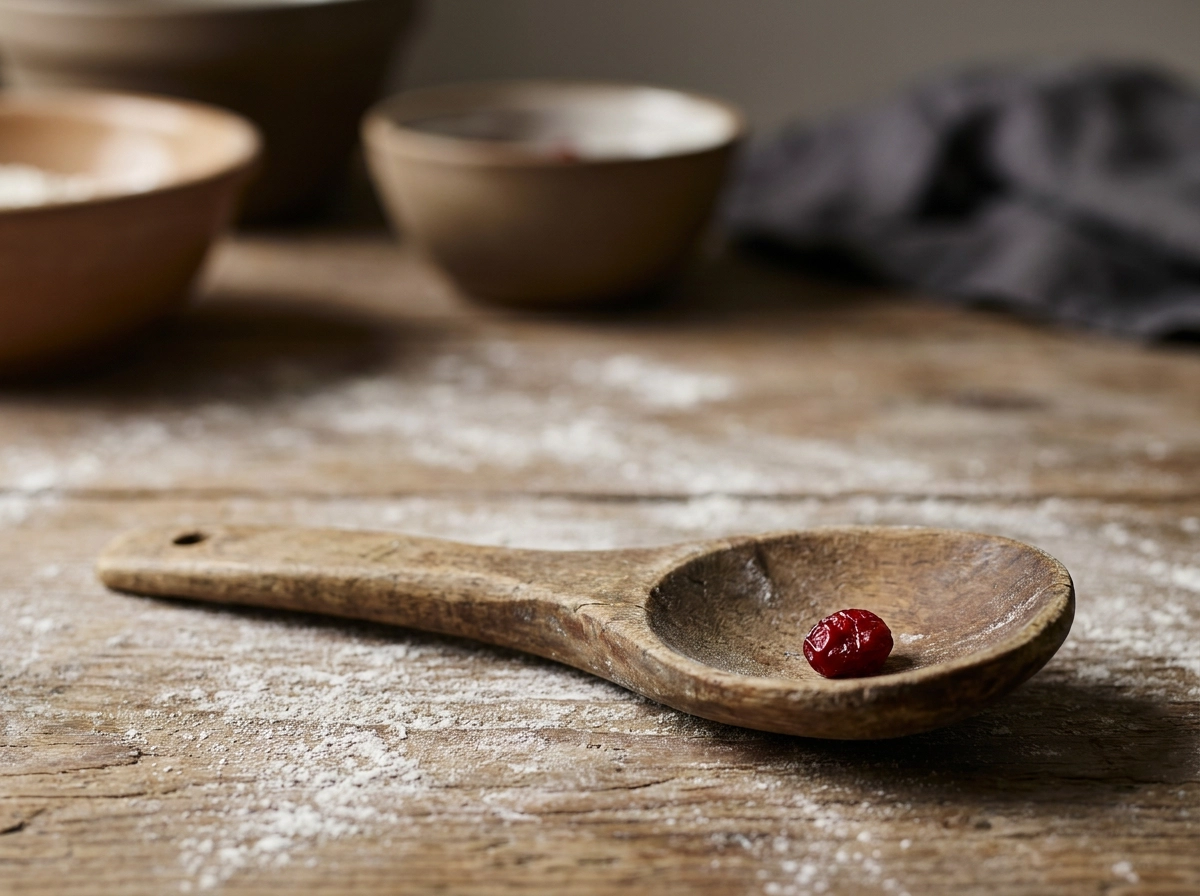
Shaba’s daughter learned the recipe at the counter, not from paper. She watched how the beans felt between her fingers, when the cinnamon smelled right, how the custard shivered when the pan came out. By ten she was mixing. By her teens she baked alone while Shaba ran errands. What the family remembers is not being told the recipe. It was being handed the card.
That card is the evidence. Photograph the stained index card with a date in the corner; it does more for trust than three paragraphs of description, and it is precisely the primary material this story needs to show.
What changed over the decades is a short list. Pan size grew from one tin to stacked commercial sheets. The home oven became a deck oven. One spice brand replaced another. A hand mixer gave way to a floor model. The bean prep never changed: navy beans still soak overnight, still cook down soft enough to mash smooth.
The origin question deserves a straight answer. One scholar describes the bean pie’s precise origins as elusive, with one legend crediting Lana Shabazz and another crediting W. D. Fard. The family claims lineage, not invention, and names no single inventor unless it holds documents proving one.
Scaling was the real test. Each larger batch was weighed, baked, and tasted against the last, and the recipe was rewritten in grams so a doubled batch would not drift. Today every batch gets the same check before it ships. Like the pies in Preserving the Legacy of American Pies, consistency is the whole point.
What Is Actually in Shaba’s Bean Pie
Two published accounts describe bean pie differently. Bicknell traces a navy bean custard with milk, eggs, brown sugar, and whole wheat flour. Benton lists white beans, sugar, butter, cinnamon, and a pie crust. Neither is Shaba’s recipe, and that’s worth saying plainly instead of borrowing someone else’s formula. Ours is its own list: navy beans, sugar, our family spice blend, and a classic pastry crust.
The beans do the heavy lifting. They cook down until soft, then get mashed smooth, which gives the filling a dense, velvety body rather than the loose set a custard takes. Navy beans taste mild and faintly sweet, so the family version leans on that instead of piling on sugar, and it uses less dairy than the custardy versions in the literature. Cinnamon and nutmeg carry the spice. The full formula stays in the family; the ingredient categories are what buyers get to see.
Transparency matters more now that the menu includes plant-based pies that swap cream for plant-based ingredients. We’ll publish cholesterol and saturated fat figures for those versions only once they’re tied to a cited dietary reference, such as a USDA nutrient value, never a marketing line alone. It’s also part of what sets Shaba’s bean pies apart.
Hence the recommendation for a short sidebar on the packaging and the product page: “In this pie” and “Not in this pie.” Federal rules already require ingredients to be declared by weight on the label, so the box stays verifiable rather than promotional. Heritage buyers read the lineage. Health-conscious readers read the facts. Both can decide before they order.
A Dessert With a History Bigger Than a Recipe Card
Knowing what’s in the pie is one thing. Knowing what the pie carries is another.
The Nation of Islam was founded in Detroit in 1930, and by the 1960s it had grown to more than 500,000 members and 75 mosques, with NOI businesses employing over 11,000 Black people, as Benton documents in his paper on the bean pie’s history. For a fuller timeline of how the pie moved through that community, see our post on The Origins of NOI Bean Pie: A Brief History.
Here is the part worth getting right, especially since so many retellings blur it: bean pies predate the Nation of Islam. Bicknell’s 2022 Western Michigan University thesis states that pies made from beans “were not invented by the Nation of Islam, but they became symbolic of the culture and institutions established by Black Muslims in America.” Adopted and made meaningful, not created.
Benton traces the dessert further back, arguing the bean pie is based on sweet potato pie. He cites the oldest known published sweet potato pie recipe, in Melinda Russell’s A Domestic Cookbook (1866), and a similar recipe in Abby Fisher’s What Mrs. Fisher Knows about Old Southern Cooking (1886). The bean pie sits at the end of a longer Black culinary line, not outside it.
Benton frames the navy bean as a deliberate choice: “if the Black status quo was to cook black eyed peas, the NOI cooked navy beans.” That is religious and cultural weight, not a dessert footnote, which is why we describe Shaba’s recipe as one family’s version of a tradition rather than a claim on it.
That distinction matters: this is a small family business honoring a tradition, not speaking for a community.
From Family Kitchen to Ongoing Production
As the family tells it, Shaba’s pie spent years traveling by hand: a neighbor’s order, a church fundraiser, a foil-wrapped pie carried to a friend’s Sunday table. The turn came when someone asked for two dozen at once.
The family said yes before they had a plan. They booked a rented commercial kitchen by the hour, figured out how to run several ovens at once, and drove that first order over themselves, coolers in the back of a car.
Scaling changed everything. Home ovens became a commercial convection oven. The recipe, written for one pie, got converted into batch charts: multiply the filling, adjust bake time, check the center instead of the clock. Pies cool on racks, then get lidded, labeled, and boxed.
Consistency is still checked the old way. Someone tastes each batch against a reference batch, the way Shaba did, before anything leaves the kitchen.
The base is dry navy beans, soaked overnight, simmered soft, then mashed smooth. Plant-based versions run on separate equipment, with separate bowls and utensils, so no dairy crosses over, a separation that matters under FDA food business rules.
Delivery is practical, not glamorous. Pies ride in rigid boxes inside insulated bags and land within set delivery windows. If one arrives damaged, it gets replaced.
The same family still makes them. Shaba’s daughter leads the bake, her grandchildren handle filling and boxing, and the recipe stays in their hands. You can read the family’s own welcome to Shaba’s Bean Pies for the name behind the kitchen.
Why This Business Exists
The pie could have ended at the family’s own table. The reason this business exists is less romantic than that and more stubborn: a recipe that stays in one kitchen eventually stops being made, and a memory is not a dessert. Keeping it in rotation means the people who grew up eating bean pie and no longer have a source nearby can still order one. That’s the mission. Everything else is logistics.
If you buy on heritage, check four things before you check a price: a named baker, a dated recipe source, ingredient transparency, and a stated production location. Those four are the difference between a family recipe and a story about one, and Bean Pie America will answer all four.
The same kitchen and the same handwriting fill out the menu. Sweet potato pie and apple crumb pie sit beside the bean pie, and the sweet potato pie isn’t decoration. Food historians trace the bean pie’s lineage to sweet potato pie recipes published as early as 1866, which makes those two pies relatives rather than neighbors. If you want the case for the bean pie itself, it’s laid out in why bean pies are a unique sweet treat.
For the health-conscious reader, the plant-based versions swap cream for plant-based ingredients, which lowers the saturated fat in a slice compared with a cream-based one. The current Dietary Guidelines count beans among plant-based protein foods, so a navy bean base has a fair starting point. Check the ingredient list for specifics instead of trusting a slogan.
Strip away the delivery schedule and the boxes, and it’s still Shaba’s kitchen. Same recipe. Larger batch. Same family.
What to Take From One Family’s Kitchen
So what do you take from one family’s kitchen? Three things, and they’re the reason this brand doesn’t lean on slogans. A named maker. A recipe kept in rotation across decades. And records a buyer can actually ask to see.
That’s a shopping checklist, not just a story. Before you buy from any heritage dessert brand, ask who makes the pie and whether the family is named. Ask about lineage and ingredients. Look for dated source material, a handwritten card, a note with a year on it, rather than a vague claim of tradition. “Old family recipe” costs nothing to print; a dated card does.
We hold the same line on origins. Bean pie’s precise origins are contested, and no honest brand should claim to have invented it, this one included. Trust comes from the family’s own documented record. That’s why our history of bean pies treats the scholarship as context rather than as our claim to fame.
So order a pie and taste what a long-kept recipe actually does on the fork. And if your family kept one too, reach out and tell us. Those memories are exactly what we want to hear.
Conclusion
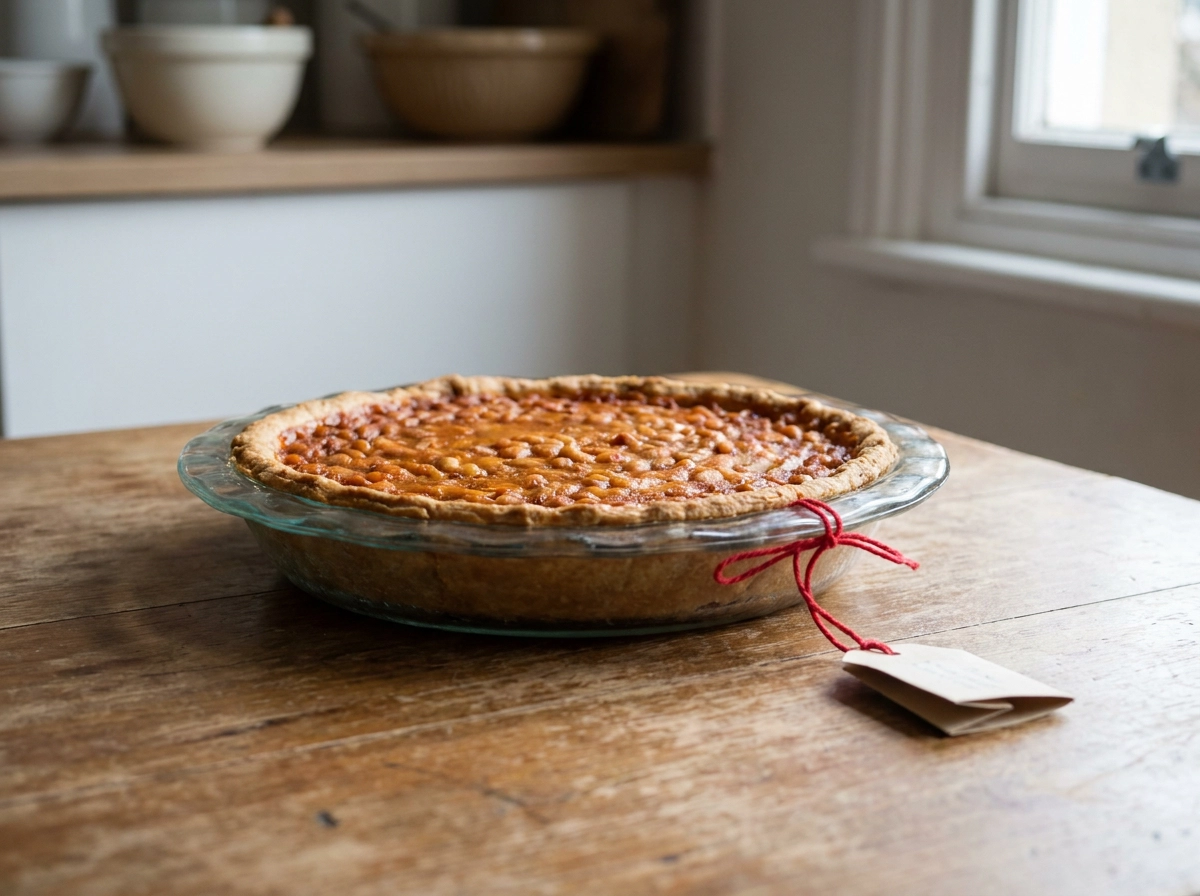
Shaba’s bean pie survived because a named maker, a recipe kept in rotation for decades, and records a buyer can inspect kept it alive. The process scaled from a family kitchen to ongoing production, but the standard did not change: same recipe, larger batch, same family. That is the real value here, a heritage dessert you can trace rather than a slogan you have to trust. Use it as a shopping checklist: ask who makes the pie, whether the family is named, what is in it, and whether the tradition has dated evidence. Then order a pie and taste what a long-kept recipe does on the fork. If your family kept one too, reach out and tell us. Your memories deserve a place at the table.
