No products in the cart.
Blogs
When to Send a Bean Pie as a Gift and What to Write

30
Oct
Oct
Some gifts say “I was thinking of you.” A bean pie says a little more. This humble dessert, rooted in Black Muslim history and popularized by the Nation of Islam, carries cultural meaning in every slice. That is why it works as a dessert for gift giving when the moment calls for something thoughtful, personal, and rooted in tradition. But the pie alone is not the whole message. The note you send with it names the occasion and the recipient’s connection to the tradition, and that is what makes the gesture land.
If you are new to bean pies, this guide walks through the heartfelt basics. You will learn why a bean pie carries weight as a gift, how to choose the right pie, and what to write for Ramadan, Eid, Juneteenth, Black History Month, family reunions, housewarmings, new neighbors, thank-yous, condolence, illness, graduations, new babies, retirements, and client or workplace gifts. You will also get message starters, what to leave out of the note, ideas for building a dessert gift box or basket, timing tips, and a reminder that the note is the gift.
Why a Bean Pie Carries Weight as a Gift
A bean pie is a dessert with a paper trail. The Nation of Islam popularized it as a deliberate counter to the era’s soul food staples, and by the 1960s it was a staple at Black Muslim fundraisers. It descends from sweet potato pie, a staple of Black American soul food, so it tastes familiar and specific at once.
That lineage traveled with a movement. At the Nation of Islam’s 1960s peak, membership passed 500,000 across roughly 75 mosques, with over 11,000 Black employees in hundreds of businesses.
The pie is a cultural artifact, not a ritual food; eating it has no prescribed ceremonial purpose, which leaves your recipient free to attach their own meaning. Origins are contested, write “attributed to,” not settled fact.
How to Choose the Pie Before You Write the Note
Pick the pie before you write the note.
- Match their reference point. Navy bean pie lands with someone who knows the tradition. Sweet potato or apple crumb lands with someone who doesn’t, and gives you a reason to explain bean pie in the note.
- Check ingredients. If the household has dietary considerations, look at plant-based options, and read the current nutrition panel rather than trusting marketing shorthand.
- Ask two questions. Does the recipient have a connection to Black Muslim foodways? Does anyone avoid custard-style desserts or specific ingredients? Those answers settle most calls.
- Size the gesture. One pie suits one family. For a team or a crowd, a dessert gift box reads generous without becoming three errands, and bean pies are versatile for various events.
- Order early for fixed dates. Get it there before the day, not the week after.
Ramadan, Eid, and the Gift That Arrives During the Month
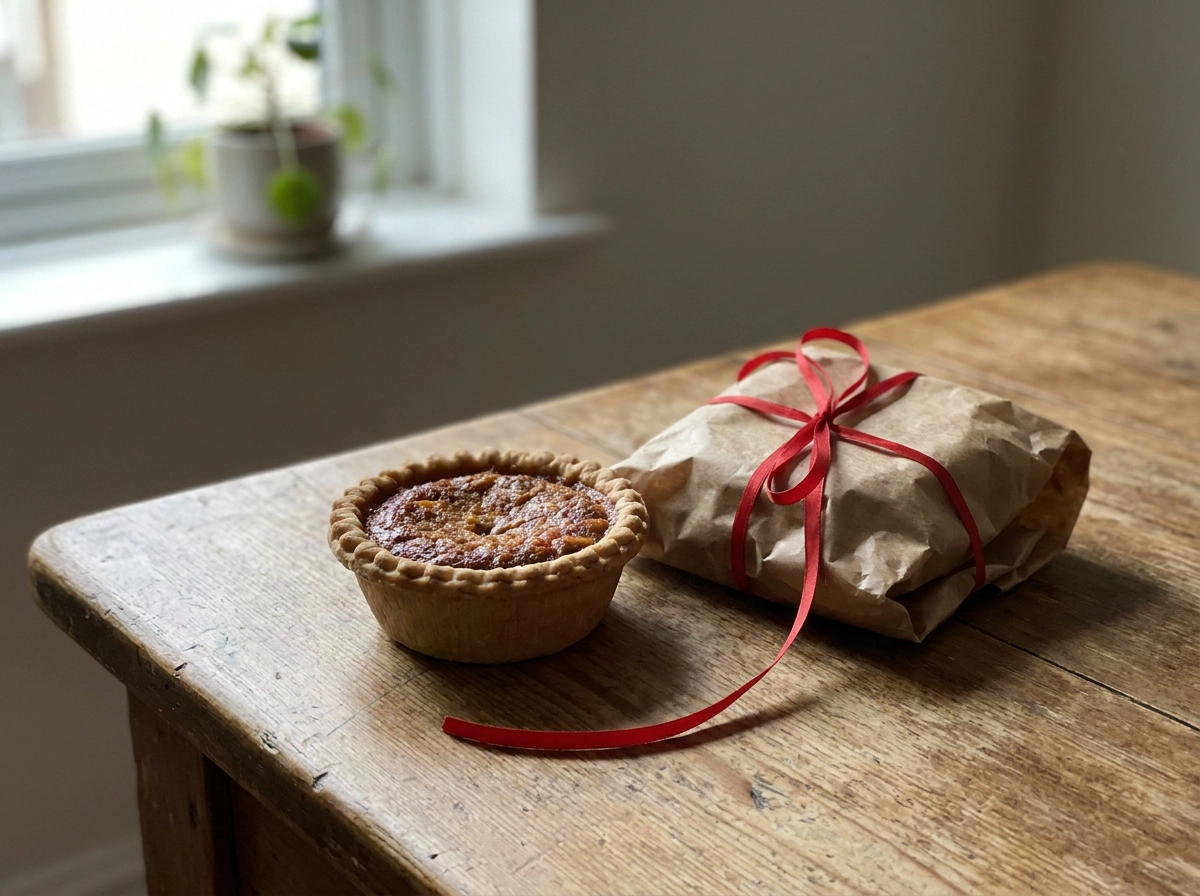
- Cultural fit, not ritual. Bean pie belongs to Muslim American food history, but it is not an Eid obligation or a traditional holiday sweet. Send it as a heritage dessert, not a ceremonial item.
- During Ramadan, aim for iftar or mid-month. A pie that arrives during the week for the neighbor who hosts every night can mean more than one sent on the holiday itself.
- For Eid, arrive a day early. This lets hosts set it out alongside coffee or tea rather than have it compete with sweets already planned.
Sample note: “Eid Mubarak. A bean pie for the table, from a tradition that has been part of Muslim America for generations. Save a slice for whoever did all the cooking.”
- Never assume the connection, write the note as an invitation, not a shared memory.
Our frequently asked questions cover ordering basics.
Juneteenth, Black History Month, and Family Reunions
Juneteenth is the clearest calendar fit. A bean pie at a June 19 cookout or family table reads as intentional, and it travels well to a park.
Black History Month needs a lighter touch: handing a pie to a Black recipient as a history lesson misses the point. It works best as an exchange between people who already share the tradition, or a genuine invitation to a shared table. Our guide to bean pie in Muslim culture covers the background.
Reunions and repasts fit the pie’s own history, many families carry a “somebody always brought one” memory it can reopen.
Try this note line: “For the cookout. Figured the table could use a pie with some history behind it.”
In the note, skip the museum framing: it’s not an artifact, a relic, or a piece of history. Dessert first, heritage second.
Housewarmings, New Neighbors, and Thank-You Gifts
The cookout pies have their calendar; these fit quieter weeks.
- Housewarming: the first dessert in a new kitchen, often while hosts still eat off paper plates. Say exactly that.
- New neighbors: when you do not know their food background, send sweet potato pie or apple crumb, and keep the card short and neighborly, not ceremonial.
- Thank-yous: name the specific thing for the coworker who covered your shift, the teacher, the nurse, or the friend who drove you to an appointment. Vague gratitude reads like a form letter.
- Make it linger: a small dessert gift box, pie plus coffee or tea, sits on a counter for a week.
Sample note: “Thanks for covering for me last week. There is a pie in this box with your name on it, and none of it is a favor owed.”
Condolence, Illness, and Hard Seasons
When thanks gives way to grief, food after a loss is its own tradition. A pie sets out easily for visiting family, with no plates, reheating, or explanation needed. Keep the note to three sentences or fewer: name the loss once, say you are thinking of them, and stop. Do not ask how they are doing or tell them when to eat it. Sample: “No need to reply. There is a pie in the kitchen for whoever is around this week.”
If traditions are uncertain, choose a less culturally specific variety. Let the message do the work. For illness or a long hospital stretch, timing beats volume. A smaller pie after the crisis week helps more than a large one at the peak. Ordering online? See Making Every Order Count.
Milestones: Graduations, New Babies, and Retirements
Happy milestones deserve the same low-effort logic.
Graduations and licensing exams. Aim for the week of the ceremony, when households are feeding visiting relatives and nobody has time to bake. The pie’s deep roots in Black American and Black Muslim history make the timing feel intentional.
New babies. Keep the note free of advice. A pie never asks new parents to cook, host, or clean up.
Retirements and last days. Have the whole team sign it and set it out in the break room; it outlasts a card handed over in a meeting.
Community milestones. A mosque fundraiser, church anniversary, block party, first book, first shop: a bean pie is a load-bearing dessert for the table everyone gathers around.
Sample note line: “Congratulations. The hard part is done. The pie is for afterward.”
Client and Workplace Gifting Without the Corporate Chill
Client gifting takes care.
- Skip the catalog gift. For unique gift baskets for delivery, a heritage dessert stands out: a bean pie with a handwritten line beats another branded tumbler. Recipients can enjoy a bean pie in different ways beyond the first slice.
- Serve the whole room. For an office, order a mix of classic and plant-based pies, label each one, and include a card explaining the bean pie in two sentences.
- Keep client notes plain. Skip inside jokes and long cultural explanations. Name the occasion, the pie, and the thanks; let them look up the rest.
- Check gift policies first. Many organizations cap gift value or restrict vendor relationships. A returned pie undercuts the whole gesture, so confirm limits before ordering.
- Make it annual. For recurring relationships, send the pie the same week each year. A predictable marker reads as tradition; a random one reads as a sales nudge.
Message Starters You Can Borrow
Workplace cards stay plain; a personal note can say more. Steal this three-part formula: name the occasion, name why this pie, then release the recipient from obligation. It fits every occasion in this guide.
- The all-purpose opener: “This is not a holiday pie, it is a thinking-of-you pie. It has been a Black Muslim tradition for decades, and I wanted you to have one.”
- For someone who grew up with it: “Somebody in your family probably brought one of these to every gathering. Now it is your turn.”
- For someone new to it: “This is a bean pie made from navy beans, it tastes a lot like sweet potato pie.”
Write it by hand, keep it to two or three sentences, and date it. A dated note becomes the part of the gift people keep.
What to Leave Out of the Note
A strong note is as much about what you leave out as what you write. Skip these five things.
A settled origin story. Origins are attributed, not verified, see the background above.
Assumed connections. Unless you know the recipient shares the Nation of Islam tie, write the note as an invitation, not a shared memory.
Unsourced health claims. “Guilt-free” and “cholesterol-lowering” only belong on the card if a nutrition panel or authoritative citation backs them.
The history lecture. If the note runs longer than a doorstep moment, cut it and tell the story in person instead.
Apology framing. “Sorry it is not more” turns a heritage dessert into a deficit. Skip it, and never frame the pie as an obligation.
Building a Dessert Gift Box or Basket Around the Pie
A good note deserves a good package. Build the box in this order.
- Decide the unit first. One pie suits one household. A dessert gift box suits a team, a class, or a host feeding a crowd, and it saves you from coordinating three separate deliveries.
- Let the pie lead. Add whole bean coffee, loose tea, honey, or a small cutting board. These extend the moment instead of competing with it.
- Match the season. Sweet potato and apple crumb read as fall. Classic bean pie works year-round. A plant-based pie reads as considerate in January.
- Sending more than one? Label each pie and include an ingredient card, since someone in every group has to ask.
- Keep it simple. A pie and a note that names the occasion beat a basket padded with filler the recipient has to rehome.
Timing the Gift to the Occasion
Once the box is built, timing decides how it lands. The arrival date is part of the message, and a pie that shows up after the party reads as an afterthought no matter how good the note is.
- Order ahead for fixed dates. Eid, graduations, and Juneteenth tighten delivery windows fast. Check current cutoffs at checkout rather than assuming a default turnaround.
- If you are late, name it. “I know the party was Saturday. This is for the quiet Sunday after” recovers the gesture completely.
- Follow up once. A short message asking how the pie tasted closes the loop and hands the recipient an easy way to say thank you, which is often the part they want most.
- Set a reminder. For repeat gifts, a calendar nudge keeps the occasion from sneaking up on you next year.
The Note Is the Gift
Timing handled, the note does the rest.
- Order the decisions: occasion, then pie, then words. That sequence keeps the gift about the recipient instead of the product.
- Match the pie to what they know, the guide above covers when each variety fits.
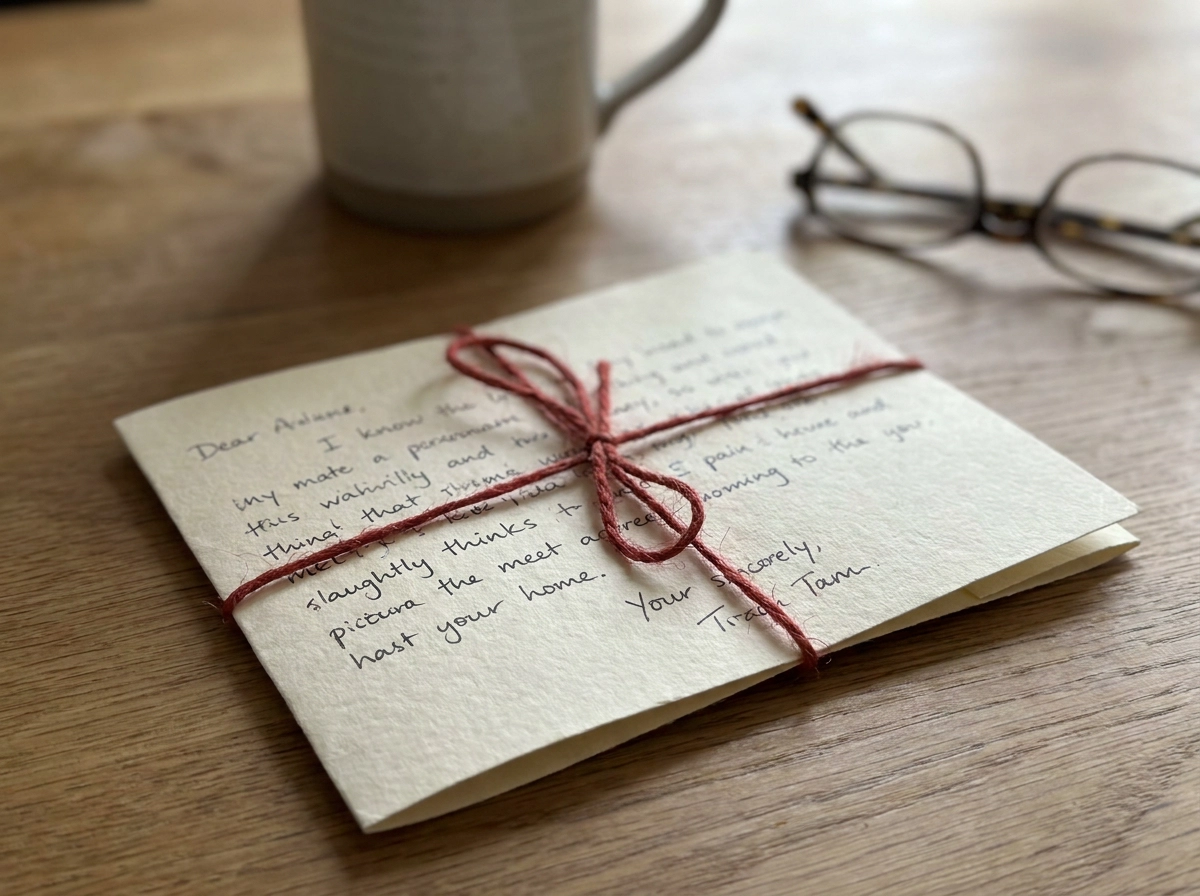
- Write two or three handwritten sentences: the occasion, why this pie, no obligation to reply. “Eid Mubarak. A bean pie felt right for your table. No reply needed.”
- If delivery slips, name it, see the timing section.
- Keep history in your voice, origins are attributed, not settled.
Conclusion
A bean pie becomes a meaningful gift when the details line up: choose the pie for the person, order early for fixed dates like Eid and Juneteenth, and let the note carry the message. If timing slips, name it honestly, then follow up once with a simple question about how it tasted. The value is not just dessert. It is recognition, history, and care made tangible.
The steps are simple: choose the pie, order early, write two or three sentences, and send it with warmth.
